
 Wall Of Fame
 Members Blogs
 Games
Games
 Top Rated Posts
 Recent Topics
 Live Scanners
 Pop Up Radio
 Disaster Map
 Gear Reviews
 Economy Watch
 Survival Apps
 NOAA Radio
 Distressed Communities
 Live Radar
 Weather Station
 Ask The 8Ball
 Recipes Roll
 Meal Planner
 Debt Clock
 TV/Movie Lovers
 ZDAY Quiz
 Chess Game
 The Bible
 Religions Map
 View Calendar
 KY Events Wall
Recent posts
Ask Mrs. Zombie
Recent posts
#61
TriState Area Local News / KY News - Frankfort Police Dep...
Last post by Admin - Dec 10, 2025, 08:21 AMFrankfort Police Dept. hosts "Home Alone 2" showing at Grand Theatre
Source: Frankfort Police Dept. hosts "Home Alone 2" showing at Grand Theatre
FRANKFORT, Ky. (ABC36 NEWS NOW) – The Frankfort Police Department is rolling out the red and green carpet this holiday season with a special community movie event.
The department will host a showing of the holiday classic “Home Alone 2: Lost in New York” on Sunday, Dec. 21, at 2 p.m. at the Grand Theatre in downtown Frankfort. Police officials describe it as the “ultimate holiday mischief movie” and say the event is aimed at bringing families together for some festive fun.
Tickets are available through Eventbrite, and can also be accessed by scanning the QR code shared in the department’s promotional video. Organizers encourage attendees to reserve spots in advance, as seating is limited.
Source: Frankfort Police Dept. hosts "Home Alone 2" showing at Grand Theatre
#62
TriState Area Local News / IN News - Here's how your dona...
Last post by Admin - Dec 10, 2025, 08:21 AMHere's how your donation can get you early access to Rev 2026 tickets
With Rev tickets typically selling out in minutes, the Indiana University Health Foundation is giving people an opportunity to buy ahead of the public.
Source: Here's how your donation can get you early access to Rev 2026 tickets
With Rev tickets typically selling out in minutes, the Indiana University Health Foundation is giving people an opportunity to buy ahead of the public.
Source: Here's how your donation can get you early access to Rev 2026 tickets
#63
TriState Area Local News / IN News - 1 seriously injured ...
Last post by Admin - Dec 10, 2025, 08:21 AM1 seriously injured in Hamilton County crash
The White River Township Fire Department of Hamilton County said they responded to a crash in the 14000 block of East 266th Street just after 6 p.m. Sunday, Dec. 7.
Source: 1 seriously injured in Hamilton County crash
The White River Township Fire Department of Hamilton County said they responded to a crash in the 14000 block of East 266th Street just after 6 p.m. Sunday, Dec. 7.
Source: 1 seriously injured in Hamilton County crash
#64
TriState Area Local News / OH News - ’Teachers in the Ble...
Last post by Admin - Dec 10, 2025, 08:21 AM'Teachers in the Bleachers' hope to boost Raptors' title run
A special squad of supporters is cheering on one high school football team chasing the state championship for the second straight year
Source: 'Teachers in the Bleachers' hope to boost Raptors' title run
A special squad of supporters is cheering on one high school football team chasing the state championship for the second straight year
Source: 'Teachers in the Bleachers' hope to boost Raptors' title run
#65
TriState Area Local News / KY News - Louisville preps roa...
Last post by Admin - Dec 10, 2025, 08:21 AMLouisville preps roads ahead of season's first snow
More than 1,000 miles of roadways are being treated with brine Monday.
Source: Louisville preps roads ahead of season's first snow
More than 1,000 miles of roadways are being treated with brine Monday.
Source: Louisville preps roads ahead of season's first snow
#66
Prepping/Survival/Local Type News / Survival Life’s Ultimate Guide...
Last post by Booed Off Stage - Dec 10, 2025, 03:54 AMSurvival Life's Ultimate Guide to Survival Weapons: Field-Tested Choices for Self-Reliance


Source: Survival Life's Ultimate Guide to Survival Weapons: Field-Tested Choices for Self-Reliance
Survival weapons may look outdated in a world of software apps and instant connectivity. But if the grid fails or a natural disaster occurs, these 'relics' may be the difference between life and death. What will happen if a hurricane or wildfire leaves your family stranded off-road and forces you to use field tools to secure shelter or game? Or if a massive, sustained power outage creates desperation, and you'll need to protect your home from an opportunistic threat? Your well-being depends on your capacity to manage these immediate threats and protect your people. In those moments, the physical tools will matter more than the tech you couldn't live without.
This comprehensive guide is your tactical blueprint for making the most informed choice. We break down the mission-critical specs for everything from field-serviceable survival rifles and pistols to the utility of the tactical tomahawk and silent precision of the crossbow. Read on to stop guessing and start building a genuinely resilient and legally sound preparedness plan for your specific environment and threat profile.
Table of Contents
1. Firearms for Survival and Defense
1.1. Survival Rifle
1.2. Survival Pistol
1.3. Home-Defense Shotgun
2. Ammunition Storage
2.1. Storage Guidelines
3. Edged Weapons for Fieldwork and Survival Tasks
3.1. Survival Machete
3.2. Tactical Tomahawk
3.3. Survival Sword
4. Alternative Weapons for Silent or Improvised Defense
4.1. Crossbow Hunting
5. FAQs
Firearms for Survival and Defense
Firearms remain the most reliable tools for hunting and personal protection in any survival setting. In this section, you'll learn how to choose a rifle for distance shooting, a pistol for fast defensive use, and a shotgun for close-quarters control inside the home. We'll explain each firearm's purpose and the ammunition types that keep it practical for long-term use.
Survival Rifle
A survival rifle is a shoulder-fired tool that you can carry long distances and repair in the field. Pick the ones with cartridges that are easy to find in your region for resupply, and the ones with an optic or iron sights that keep zero after bumps and knocks. Train with the exact rifle and ammo you plan to carry so reloading and malfunction drills go off without a hitch.
Best Use
A survival rifle lets you hunt for food, defend open ground, and shoot at longer ranges.
- Small-game hunting: Use a .22 LR or lightweight .22 Magnum rifle to conserve heavy rounds while taking small game such as rabbits and squirrels.
- General survival & patrol: Use a 5.56/.223 semi-auto carbine for a mix of light recoil, magazine capacity, and ammo availability on resupply.
- Large game or long shots: Use a bolt-action in .308 or 6.5 Creedmoor for penetration on bigger animals and extended ranges.
- Short- to mid-range bush use: Use a takedown or folding-stock model to save pack space without sacrificing rifle ballistics.
- Noise management where legal: Fit a durable muzzle device or suppressor if allowed, to protect hearing and reduce detection during hunts.
Key Specs & Setup
These choices make a rifle reliable and field-serviceable for extended outings.
| Spec | Pick & why |
| Caliber | Choose a cartridge commonly sold where you live so you can resupply. |
| Action type | Pick a simple bolt or basic semi-auto you can field-strip and fix without special tools. |
| Barrel length | Use ~16″ for easier carry and handling or 18–20″ if you need more velocity for hunting shots. |
| Optic + backup | Fit a rugged low-power scope or red dot and keep iron sights aligned as a reliable fallback. |
| Spare mags & field kit | Carry at least three magazines or 20–30 rounds and a small kit with a cleaning rod, lube, and one common spare part. |
Survival Pistol
A survival pistol is a short, fast-access handgun built to work when you are on the move. Choose a size and grip that let you get solid, repeatable shots while wearing a pack or light gloves. Train with the exact holster, magazine, and ammo you plan to carry so reloads and stoppage drills will be much easier.
Best Use
A survival pistol is your fast-access tool for close threats and last-resort defense. It gives you a compact, mobile option when a long gun is unavailable or impractical.
- Immediate close defense: A compact 9mm or .45 in a strong holster lets you stop a person-sized threat with quick, controlled shots.
- Vehicle and seated work: A short-barrelled pistol carried in a vehicle or shoulder rig is easy to bring to bear from a seated position during movement or roadside checks.
- Hands-on escape: A pistol kept indexed in a chest or hip holster gives you an option to break contact and create distance when you cannot reach a rifle.
- Night or low-light clears: A pistol with a mounted light and bright front sight lets you identify and engage threats in dark rooms at close range.
- Tool for short-range animal threats: A revolver or compact semi-auto provides an immediate option to stop aggressive animals at very close range.
Key Specs & Setup
These practical choices keep a survival pistol reliable and quick to use in the field.
| Spec | Pick & why |
| Platform & size | Choose a compact or service-size pistol so you can control recoil and shoot accurately from standing or seated positions. |
| Caliber consistency | Use a caliber that is commonly available locally and train with the same ammo you carry to avoid surprises in recoil and feeding. |
| Grip fit & control | Pick a grip shape and texture that let you index the gun the same way every draw and operate controls with wet or gloved hands. |
| Sights & aiming | Fit a bright front sight or a tritium dot, and confirm the sight picture at your expected engagement distances for accurate hits. |
| Light & threaded options | Add a compact weapon light for room work and consider a threaded barrel only if legal and you plan to use a suppressor for hearing protection. |
Home-Defense Shotgun
A home-defense shotgun is a short, simple long gun intended as a last-resort option for very close threats near or inside your home. It can deliver heavy stopping power at short distances, but it also risks over-penetration and collateral damage through walls or into neighboring units. Choose loads that reduce through-wall risk, and keep the gun secured when not in use.
Best Use
Use a shotgun only in immediate, life-threatening situations inside or immediately adjacent to your residence where no safer option exists.
- Immediate interior threat: Use a shotgun at very close ranges (roughly contact to 10–15 yards) when an armed or violent intruder is present and you cannot safely retreat or secure others.
- Close exterior encounters: Use a shotgun at very short distances outside structures (porch, shed, gate) against aggressive animals or an imminent human threat, and always consider bystanders and backstop before shooting.
Key Specs & Setup
| Spec | Pick & why |
| Gauge | Choose 12-gauge for standard ammo and stopping power or 20-gauge if you need lower recoil for faster follow-up shots. |
| Action type | Pick a pump action for reliability across many loads or a proven semi-auto if you want softer recoil and quicker follow-ups. |
| Barrel & stock | Use an 18–20″ barrel and a short stock or shortened length-of-pull to improve maneuvering in tight rooms. |
| Ammo & pattern testing | Select a specific buckshot load and pattern it at home so you know where pellets hit through doors and at typical engagement ranges. |
| Light & handling kit | Fit a compact weapon light, use a secure short sling or retention option, and carry extra shells in a side-saddle or pouch for fast reloads. |
Ammunition Storage
Ammunition stays dependable only when it's protected from the environmental factors that cause degradation. Exposure to heat, humidity, and physical damage can corrode brass and make primers unreliable. Storing rounds correctly keeps performance consistent and prevents dangerous malfunctions when you fire them.
Storage Guidelines
- Control heat and moisture: Store ammo in a cool, dry place (around 50–70°F and below 50% humidity) because high heat can break down powder and primer compounds, while moisture causes corrosion that leads to misfires or pressure spikes. Avoid storing ammo in attics, vehicles, or garages where temperatures fluctuate.
- Use sealed, labeled containers: Keep ammunition in its original boxes inside metal cans or polymer totes with tight gaskets to block moisture. Label each container with caliber, round count, and purchase date so you can rotate older stock first and avoid mixing different types of ammo.
- Add moisture control packs: Place silica-gel or other desiccant packs inside sealed containers to capture humidity that can sneak in when opening cans. Replace or recharge them every 6–12 months to prevent the brass and primers from oxidizing.
- Secure and inspect routinely: Store ammo locked and out of reach of children, and follow local laws on separating it from firearms. Inspect at least once a year and set aside any rounds with corrosion, dents, cracked necks, loose bullets, or high primers. Also, do not fire questionable ammo. Instead, mark it "do not use" and take it to a gunsmith or local hazardous-waste authority for proper disposal.
Edged Survival Weapons for Fieldwork
When the survival task requires cutting or shaping, you'll need a dependable blade to execute the job. This section breaks down how a machete handles overgrowth, how a tomahawk provides control for chopping and light breaching, and how a survival sword performs in vast, open terrain. You'll also learn which blade shapes and carry systems offer the best return for real field work.
Survival Machete
A survival machete is a long, single-edge field blade designed for cutting through vegetation and preparing light building materials. It bridges the gap between a knife and an axe as it's long enough for reach but light enough for constant use. Choose a blade length and shape that matches your environment. For example, thinner blades work best in wet, green vegetation, while heavier profiles handle dry brush and light wood. A good machete maintains a sharp edge after repeated swings and is simple to maintain with a basic sharpening stone.
Best Use
A machete is most effective in overgrown or resource-limited environments where an axe or a saw isn't practical to use.
- Trail clearing in dense vegetation: The machete excels at cutting vines, tall grass, and thin saplings, which helps you reopen old paths or carve new ones through jungle and woodland areas.
- Camp and shelter setup: When building a quick shelter, the machete makes short work of poles, palm fronds, and leafy branches for framing, bedding, or thatching.
- Homestead maintenance: On rural or off-grid property, the machete can help handle heavy weeds and garden waste especially when power tools are unavailable.
- Fire and tool preparation: In camp, it can split small logs or shape stakes and handles.
- Emergency field carry: In wilderness travel or vehicle kits, a machete doubles as a backup utility and self-protection tool, though it should always be secured and used within legal and safety limits.
Key Specs & Setup
| Spec | Pick & Why |
| Blade length | 12–18″ balances reach and control for extended cutting sessions. |
| Blade profile | Latin or bolo designs excel in clearing green growth; kukri-style adds forward weight for tougher wood. |
| Steel type | Medium-carbon steel offers strong edge retention and easy field sharpening. |
| Handle & grip | Textured or rubberized handle improves grip in rain or sweat and prevents rotation during heavy swings. |
| Sheath & carry | Use a fitted leather or Kydex sheath at the belt or pack strap; store a small sharpening stone and light oil for field upkeep. |
Tactical Tomahawk
A tactical tomahawk is a short-handled steel tool shaped for chopping on one side and prying or piercing on the other. Choose a hawk with a secure head attachment and a handle length that fits your reach and pack configuration.
Best Use
Use a tomahawk when you need controlled strikes or short-range prying.
- Vehicle rescue: The tomahawk breaks thin tempered glass and cuts seatbelts quickly during extrication, which gives first responders a compact option for initial access.
- Light breaching: The hooked or spike end pries or lifts trim and light panels, allowing entry through drywall or soft doors without hauling full-size tools.
- Camp & trail work: The tomahawk's blade shapes tent stakes faster than a knife, and it's also lighter than an axe for pack carry.
- Leverage in tight gaps: The poll or pry-beak applies leverage to move nails, pry boards, or clear small obstructions where a hammer or crowbar cannot fit.
- Emergency tool on a rig: Mounted on a belt or sling, the tomahawk gives vehicle occupants a reachable tool for cutting, hammering, or forced access during emergencies.
Key Specs & Setup
| Spec | Pick & why |
| Construction | Choose full-tang or secure head-to-handle join for durability under repeated strikes. |
| Head shape | Pick a blade + spike/pry combo if you need cutting and leverage in one tool. |
| Weight & length | Use a 18–28 oz head and ~14–18″ handle for fast swings and to reduce fatigue. |
| Sheath & retention | Fit a compact sheath with a positive retention strap and a belt/pack mount for safe carry. |
| Maintenance basics | Carry a small file or stone, check the head fit before use, and file chips to keep the edges sharp. |
Survival Sword
A survival sword is a long-bladed cutting tool designed for open environments where reach and sweeping cuts matter. It works best in places too wide for a machete and too light-duty for an axe. The extended edge lets you cover more ground with fewer swings, but it also demands awareness of proper footing and consistent balance. Because of its size, store the sword sheathed and use it only where long-edge cutting offers a real advantage.
Best Use
A survival sword is suited for wide, open areas and large plant material where reach and slicing efficiency outweigh portability.
- Field and pasture clearing: The sword's long edge can cut through tall grass, brush, and vines across open fields, which helps you clear the ground faster.
- Crop and reed harvesting: A survival sword is ideal for cutting long stalks of cane, bamboo, or thatch materials when building shelters or bundling feed on rural properties.
- Construction material prep: It's also for slicing natural building materials like reeds or palm fronds into uniform lengths for shelter roofing or fencing.
Alternative Survival Weapons for Silent or Improvised Defense
Some survival situations call for quiet shots and discreet carry, so you'll need silent tools you can make or maintain yourself. This section explains how a crossbow delivers accurate, low-noise hunting performance and how a modern slingshot provides small-game capability with minimal gear. Each weapon is covered with attention to range, power, and the practical upkeep needed to keep it ready in the field.
Crossbow Hunting
A crossbow fires short bolts with rifle-like precision and minimal draw skill. It's heavier than a traditional bow but offers steadier, quieter shots once properly sighted in. Treat it like a compact hunting rifle by cocking it safely and matching the bolts to its power.
Best Use
A crossbow is ideal for short- to mid-range hunting where accurate and stable aiming are more valuable than fast follow-up shots.
- Deer and large-game hunting: A crossbow provides controlled, high-energy shots from ground blinds or tree stands, which makes it ideal for hitting game within 20–50 yards.
- Homestead or property hunting: The quiet shot and compact frame make the crossbow suitable for taking game near homes, barns, or livestock without alarming the neighbors.
- Scoped or seated shooting setups: Its rifle-style stock and scope system allow steady, seated aiming, which is perfect for hunters who prefer precision over speed or have limited space to stand and draw.
- Accessible use for lower strength hunters: With rope cockers or crank systems, the crossbow allows older hunters or those with reduced strength to maintain consistent draw tension and bolt accuracy safely.
Top 5 Key Specs
| Spec | Pick & Why |
| Draw weight | Match to your strength; use a rope or crank for safe cocking. |
| Bolts | Use bolts rated for your crossbow's FPS to prevent damage or poor flight. |
| Scope | Fit a BDC or 1–4x scope and zero at your typical hunting range. |
| Noise control | Add dampeners or silencers for quieter shots near homes. |
| Maintenance | Keep wax, rail lube, and spare strings for reliable performance. |
Survival Weapon Guide: Your Final Tactical Check
The ultimate goal of this survival guide was to replace weapon guesswork with field-tested choices that'll keep you protected. You now hold the complete tactical requirement for self-reliance: the knowledge to choose a field-serviceable rifle for resupply, a fast-access pistol for close threats, and utility blades like the tomahawk for fieldwork.
So, are your survival weapons mission-ready or are you still relying on luck?
Audit your current gear against our key specs, schedule your next training session, and lock down your ammunition storage today.
FAQs
1. What qualifies as a survival weapon?
A survival weapon is any tool you rely on to secure food, clear obstacles, or protect people when normal services are unavailable. Examples include rifles and pistols for hunting and defense, edged tools like machetes and tomahawks for cutting and shelter work, and quieter platforms such as crossbows or slingshots for low-sign hunting.
2. How should I store and maintain these tools?
Keep firearms unloaded, locked, and separate from ammunition in cool, dry storage. Store blades sheathed and out of reach, and hang larger tools so edges stay protected. Rotate and inspect ammo and blades regularly for corrosion or damage. Carry a small field kit for basic repairs and cleaning, and keep spares for wear items like springs, strings, or desiccant packs.
3. Do I need formal training to use a survival weapon?
Yes. Formal training builds safe habits and faster decision-making under stress. Take certified courses for firearms or archery, practice reloads and malfunction drills, and run simple scenario training that matches where you live. Training should include legal use of force, safe storage, and routine maintenance so your gear works when you need it.
Source: Survival Life's Ultimate Guide to Survival Weapons: Field-Tested Choices for Self-Reliance
#67
Entertainment News and Discussions / Gatton Park Christmas Tree lig...
Last post by Admin - Dec 10, 2025, 03:54 AMGatton Park Christmas Tree lighting and festivities
Source: Gatton Park Christmas Tree lighting and festivities
LEXINGTON, Ky. (ABC36 NEWS NOW) – Gatton Park on the Town Branch is getting ready to kick off the holiday season with the lighting of its massive 80-foot digital Christmas tree and the grand opening of its Winter Village.
The celebration begins Wednesday, Dec. 4, with a tree lighting ceremony at 6 p.m. Officials say the free event will run until 10 p.m. and is open to everyone.
Once the lights come on, visitors can explore the park’s new Winter Village, which will include fire pits, cozy seating areas, winter play zones, craft making, games and food vendors. Clear-domed igloos will also be available to rent, and an indoor community gathering space will be open throughout the season.
Nightly activities will continue through Dec. 23. Organizers say the goal is to build a bigger, more vibrant holiday tradition for Lexington while giving families a place to slow down, connect and enjoy the season together.
Source: Gatton Park Christmas Tree lighting and festivities
#68
The Outdoors, Health and Fitness / Winter Wonderlands Without the...
Last post by Admin - Dec 10, 2025, 01:01 AMWinter Wonderlands Without the Ski Crowds
Source: Winter Wonderlands Without the Ski Crowds
This article is sponsored and made possible by Toyota Trucks.
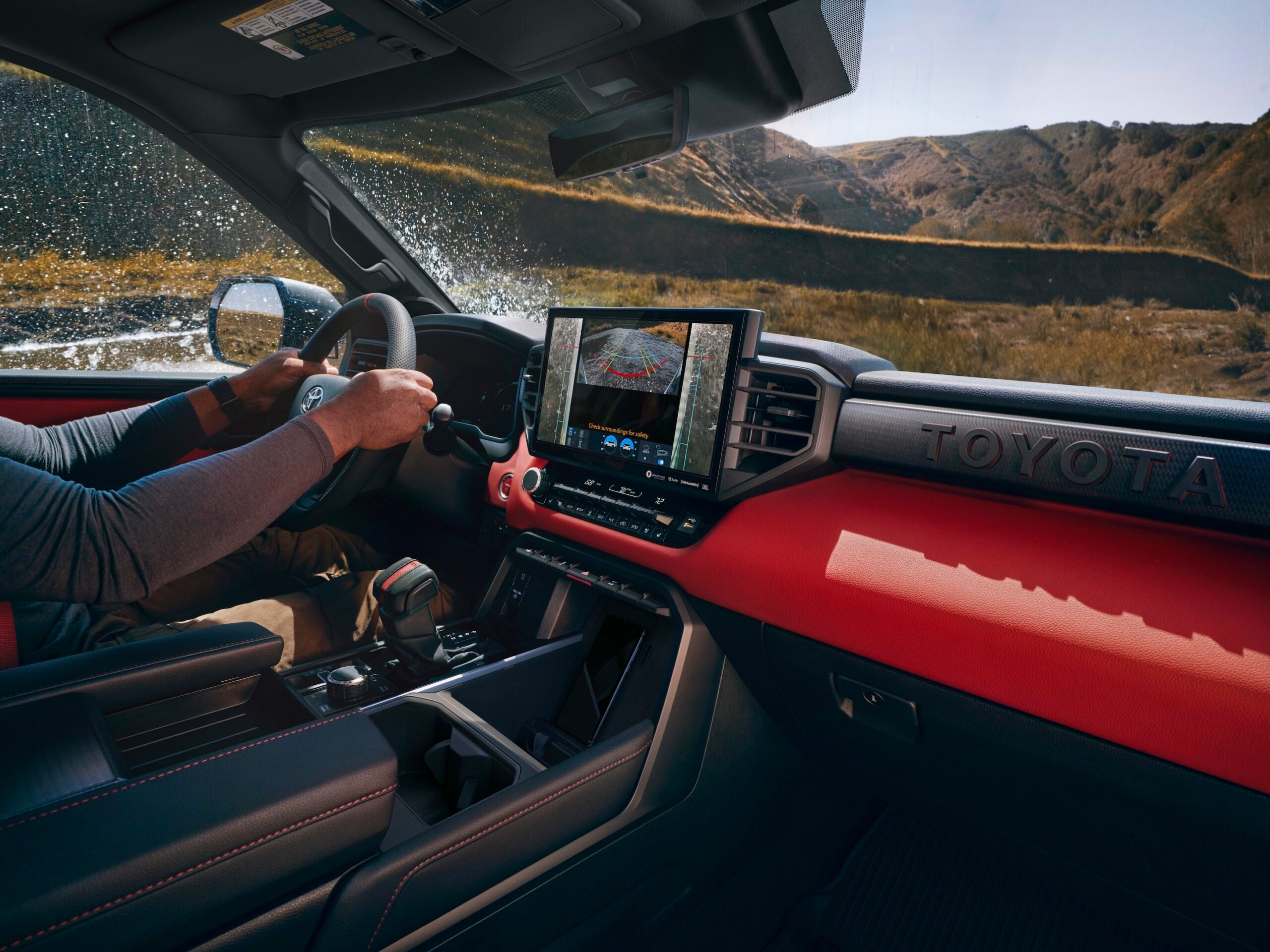
Winter camping is magical as long as you know where to go and how to prepare. The trails quiet down, snow settles in, and parks that were busy all summer feel much calmer. For Detourists, the travelers who prefer open roads to lift lines, it's another chance to see a different side of familiar places. With the capability, traction, and safety features of Toyota Trucks, getting there feels just as fun as being there.
These hidden-gem parks deliver snowy trails, crisp skies, and cozy camps without the resort crowds.
Lassen Volcanic National Park, California
In winter, Lassen becomes a peaceful landscape of snow-covered forests and steaming geothermal vents. The Manzanita Lake area stays open year-round for snowshoeing, cross-country skiing, and walk-in winter camping. Backcountry skiing and snowboarding are also available, but require advanced skills, avalanche awareness, and proper safety gear.
The Toyota Tundra handles the terrain with confidence. Its available 4×4 system and traction control help keep you steady on icy climbs and slushy roads. Inside, there's enough room to stash wet gear, change layers out of the wind, and keep essentials from freezing. Pack snowshoes or skis so you can access trails directly from the snow-covered parking area near Manzanita Lake.
Tip: The main park road (Hwy 89) is closed at Kohm Yah-mah-nee Visitor Center (southwest entrance) and Devastated Area (northwest entrance) for the snow season. Check road and trail conditions on the park website so that you can be properly prepared.
Rocky Mountain National Park, Colorado
Rocky Mountain National Park settles into a quiet winter calm with frozen lakes and wide-open trails perfect for snowshoeing. Moraine Park Campground stays open year-round for first-come, first-served winter camping. Its proximity to Estes Park means easy access to supplies, warm meals, and last-minute gear if the weather turns.
The Toyota 4Runner is equipped to handle shifting winter conditions. Its available 4×4 capability, traction control systems, and high ground clearance help you navigate icy roads and snow-packed pullouts with confidence. Inside, there is plenty of room for layers, boots, and the extra cold-weather gear that winter camping requires.
Tip: Weather in the park can change fast. Bring microspikes or snowshoes for icy trails, and always check for road and trail updates before heading into higher elevations.
Voyageurs National Park, Minnesota
Voyageurs is one of the few national parks where frozen lakes become trails in the winter. Once the ice is thick enough, visitors can snowmobile, ski, or hike across miles of snowy wilderness. Winter camping is allowed by permit, and the dark skies make for some of the best stargazing in the Midwest.
The Toyota Sequoia is ideal for exploring through the Minnesota winter. Its available 4×4 system and high ground clearance helps handle snowy roads safely, while the spacious interior leaves room for family, gear, and extra layers. Available heated seats add an extra touch of comfort after a cold day on the ice.
Tip: You can rent snowshoes or cross-country skis through the park visitor centers or online. Always check ice conditions before traveling onto frozen lakes, and carry traction mats or sand for tricky conditions.
Gear Up for Cold-Weather Camping
Winter camping takes extra preparation, especially in parks with deep snow or rapidly changing weather. Keep these practical tips in mind:
- Use two sleeping pads, not one. A foam pad under an inflatable pad prevents heat loss to frozen ground.
- Pack boiling-water bottles (wide-mouth and leakproof). Fill them at night and slip one into your sleeping bag to stay warm for hours.
- Keep water filters from freezing by storing water and filtration gear inside your tent or your sleeping bag footbox.
- Expect that your food will freeze. Pre-chop ingredients, choose meals that rehydrate quickly, and store water bottles upside down so the ice forms at the top.
- Keep headlamp batteries warm by storing them inside your jacket during the day and in your sleeping bag at night. Cold drains batteries quickly.
- Use your Toyota Truck as a transition zone. The cab warms up cold fingers before cooking or setting up camp, and the rear cargo area keeps gear dry and organized between snowstorms.
Be a Detourist
When the crowds head for the slopes, take the road less traveled. Find the parks where the trails are quiet and the snow is untouched. With Toyota Trucks, you'll have the confidence and comfort to get there, and the space to enjoy every frozen mile along the way.
The post Winter Wonderlands Without the Ski Crowds appeared first on The Dyrt.
Source: Winter Wonderlands Without the Ski Crowds
#69
The Gear Rack / The Best Massage Guns of 2025
Last post by Admin - Dec 10, 2025, 01:01 AMThe Best Massage Guns of 2025
[html]
[html]
https://s3.amazonaws.com/images.gearjunkie.com/uploads/2021/07/HypericeHypervoltGO-GWL.jpg" width="600" height="400" alt="(Photo/Zach Burton)">
While foam rollers are great, it's hard to beat the healing power of a massage. Over the past five or so years, percussive therapy has changed how gym-goers and physical therapists treat soreness and chronic pain and relieve the buildup of lactic acid. Best of all, quality percussion massagers (a.k.a. massage guns) are a portable, powerful, one-time investment.
Percussion massagers are a staple in the fitness world. They are designed to loosen muscle knots, improve blood flow, help alleviate soreness, and reduce inflammation. While scientific evidence of these claims is mixed at best, the anecdotal evidence from athletes of all stripes (skiers, runners, hikers, etc.) makes a good percussion massager worth consideration.
Our testers include personal trainers, competitive athletes, and generally, the kinds of folks whose activity levels result in being sore more often than not. Through hours of research and months of testing, we've narrowed down the best percussion massagers on the market. If you've yet to try one, this is a great place to start.
Editor’s Note: We refreshed this article on December 8, 2025, by adding the super-comfortable https://rally.sjv.io/c/381569/2770685/31738?u=https%3A%2F%2Fgetrally.co%2Fproducts%2Forbital-massager%3Fvariant%3D52109993476464">Rally Orbital Massager.
The Best Percussion Massagers of 2025
https://schema.org/ItemList">
See more picks
Top Picks
https://schema.org/Product">
https://s3.amazonaws.com/images.gearjunkie.com/uploads/2024/10/theragun-pro-pulse.jpg"> https://schema.org/Review">
guns.In lay terms, this means you can confidently and easily massage any part of your own body with deep tissue force without the motor stalling out. Gone are the days of convincing someone to rub out your shoulders. The PRO Plus includes a Bluetooth connection for app-guided massage routines, and it also has a simple display on the back of the device to aid in your massage progression. In a first for Theragun, the PRO Plus also offers red light therapy, which lights up and heats the area being massaged with the press of a button. While its effects require more study, initial studies suggest that red light therapy may help improve circulation, reduce inflammation, and stimulate collagen production. While we can't confirm these benefits, the red light's warmth did feel good and seemed to help our muscles loosen up during testing.Six different head attachments deliver complete customization. The Theragun PRO Plus also pairs with the Therabody app, which offers extra support, including a force meter and personalized wellness routines.The whole package comes with seven head attachments, a carrying case, two rechargeable lithium-ion batteries with charger, and the Theragun itself. While you'll have to pay for the luxury the PRO Plus offers, it's easily the best massage gun on the market today.">
https://schema.org/Organization">
https://schema.org/AggregateRating">
9.0/10 Rating
Best Overall Percussion Massager
https://backcountry.tnu8.net/c/381569/358742/5311?subId1=gjbgtechfitnesspercussionmassager&u=https%3A%2F%2Fwww.backcountry.com%2Ftherabody-theragun-pro-plus-massage-device" target="_blank" rel="nofollow noopener noreferrer">Theragun PRO Plus
https://s3.amazonaws.com/images.gearjunkie.com/uploads/2024/10/theragun-pro-pulse.jpg"> https://schema.org/Review">
guns.In lay terms, this means you can confidently and easily massage any part of your own body with deep tissue force without the motor stalling out. Gone are the days of convincing someone to rub out your shoulders. The PRO Plus includes a Bluetooth connection for app-guided massage routines, and it also has a simple display on the back of the device to aid in your massage progression. In a first for Theragun, the PRO Plus also offers red light therapy, which lights up and heats the area being massaged with the press of a button. While its effects require more study, initial studies suggest that red light therapy may help improve circulation, reduce inflammation, and stimulate collagen production. While we can't confirm these benefits, the red light's warmth did feel good and seemed to help our muscles loosen up during testing.Six different head attachments deliver complete customization. The Theragun PRO Plus also pairs with the Therabody app, which offers extra support, including a force meter and personalized wellness routines.The whole package comes with seven head attachments, a carrying case, two rechargeable lithium-ion batteries with charger, and the Theragun itself. While you'll have to pay for the luxury the PRO Plus offers, it's easily the best massage gun on the market today.">
https://schema.org/Organization">
https://schema.org/AggregateRating">
9.0/10 Rating
https://schema.org/Product">
https://s3.amazonaws.com/images.gearjunkie.com/uploads/2022/06/Turonic-GM5-Massage-Gun.jpg"> https://schema.org/Review">
https://schema.org/Organization">
https://schema.org/AggregateRating">
7.1/10 Rating
Best Budget Percussion Massager
https://www.avantlink.com/click.php?tt=el&merchant_id=605a3583-8652-4722-8c4a-6eafcc431a07&website_id=e1cda6bd-1c15-4176-b96e-563e0bd68c12&url=https%3A%2F%2Fwww.walmart.com%2Fip%2FTuronic-GM5-Massage-Gun-Deep-Tissue-Massager-Muscle-Relax-Pain-Relief-Foot-Back-Neck-Shoulder-Leg-Calf-5-Speeds-7-Heads-Quiet-Electric-Handheld-Percu%2F656895489&ctc=gjbgoutdoorfitnesspercussionmassager" target="_blank" rel="nofollow noopener noreferrer">Turonic GM5 Massage Gun
https://s3.amazonaws.com/images.gearjunkie.com/uploads/2022/06/Turonic-GM5-Massage-Gun.jpg"> https://schema.org/Review">
https://schema.org/Organization">
https://schema.org/AggregateRating">
7.1/10 Rating
https://schema.org/Product">
https://s3.amazonaws.com/images.gearjunkie.com/uploads/2024/10/power-plate-pulse-3-0.jpg"> https://schema.org/Review">
https://schema.org/Organization">
https://schema.org/AggregateRating">
8.8/10 Rating
Quietest Percussion Massager
https://www.amazon.com/dp/B0CLT7Y6KF/?tag=gjbgtechfitnesspercussionmassager-20" target="_blank" rel="nofollow noopener noreferrer">Power Plate Pulse 3.0
https://s3.amazonaws.com/images.gearjunkie.com/uploads/2024/10/power-plate-pulse-3-0.jpg"> https://schema.org/Review">
https://schema.org/Organization">
https://schema.org/AggregateRating">
8.8/10 Rating
https://schema.org/Product">
https://s3.amazonaws.com/images.gearjunkie.com/uploads/2025/12/rally-orbital-massager-product-block-image-600x400.jpg"> https://schema.org/Review">
https://schema.org/Organization">
https://schema.org/AggregateRating">
7.9/10 Rating
Most Comfortable Massager
https://rally.sjv.io/c/381569/2770685/31738?u=https%3A%2F%2Fgetrally.co%2Fproducts%2Forbital-massager%3Fvariant%3D52109993476464" target="_blank" rel="nofollow noopener noreferrer">Rally Orbital Massager
https://s3.amazonaws.com/images.gearjunkie.com/uploads/2025/12/rally-orbital-massager-product-block-image-600x400.jpg"> https://schema.org/Review">
https://schema.org/Organization">
https://schema.org/AggregateRating">
7.9/10 Rating
https://schema.org/Product">
https://s3.amazonaws.com/images.gearjunkie.com/uploads/2023/01/Theragun-Mini.jpg"> https://schema.org/Review">
https://schema.org/Organization">
https://schema.org/AggregateRating">
8.1/10 Rating
Most Portable Percussion Massager
https://backcountry.tnu8.net/c/381569/358742/5311?subId1=gjbgoutdoorfitnesspercussionmassager&u=https%3A%2F%2Fwww.backcountry.com%2Ftherabody-theragun-mini-2nd-gen" target="_blank" rel="nofollow noopener noreferrer">Theragun Mini
https://s3.amazonaws.com/images.gearjunkie.com/uploads/2023/01/Theragun-Mini.jpg"> https://schema.org/Review">
https://schema.org/Organization">
https://schema.org/AggregateRating">
8.1/10 Rating
https://schema.org/Product">
https://s3.amazonaws.com/images.gearjunkie.com/uploads/2024/03/Chirp-RPM.jpg"> https://schema.org/Review">
https://schema.org/Organization">
https://schema.org/AggregateRating">
7.9/10 Rating
Best Percussion Massage Roller
https://www.kqzyfj.com/click-7767252-14530452?sid=gjbgoutdoorfitnesspercussionmassager&url=https%3A%2F%2Fgochirp.com%2Fproducts%2Fchirp-rpm-rolling-percussive-massager" target="_blank" rel="nofollow noopener noreferrer">Chirp RPM
https://s3.amazonaws.com/images.gearjunkie.com/uploads/2024/03/Chirp-RPM.jpg"> https://schema.org/Review">
https://schema.org/Organization">
https://schema.org/AggregateRating">
7.9/10 Rating
See more picks
https://schema.org/Product">
Best Overall Percussion Massager
https://s3.amazonaws.com/images.gearjunkie.com/uploads/2024/10/theragun-pro-pulse.jpg" class="gallery-image-link">
 https://s3.amazonaws.com/images.gearjunkie.com/uploads/2024/10/theragun-pro-pulse.jpg" class="attachment-full optimized-size-webp-medium first-image" alt="Theragun PRO Plus" loading="lazy" srcset="https://s3.amazonaws.com/images.gearjunkie.com/uploads/2024/10/theragun-pro-pulse.jpg 1500w, https://s3.amazonaws.com/images.gearjunkie.com/uploads/2024/10/theragun-pro-pulse-300x200.jpg 300w, https://s3.amazonaws.com/images.gearjunkie.com/uploads/2024/10/theragun-pro-pulse-700x467.jpg 700w, https://s3.amazonaws.com/images.gearjunkie.com/uploads/2024/10/theragun-pro-pulse-768x512.jpg 768w, https://s3.amazonaws.com/images.gearjunkie.com/uploads/2024/10/theragun-pro-pulse-800x533.jpg 800w, https://s3.amazonaws.com/images.gearjunkie.com/uploads/2024/10/theragun-pro-pulse-720x480.jpg 720w" sizes="auto, (max-width: 810px) 100vw, 810px" data-attachment-id="466552" data-permalink="https://gearjunkie.com/product/theragun-pro-pulse/attachment/theragun-pro-pulse-2" data-orig-file="https://s3.amazonaws.com/images.gearjunkie.com/uploads/2024/10/theragun-pro-pulse.jpg" data-orig-size="1500,1000" data-comments-opened="0" data-image-meta="{"aperture":"0","credit":"","camera":"","caption":"","created_timestamp":"0","copyright":"","focal_length":"0","iso":"0","shutter_speed":"0","title":"","orientation":"0"}" data-image-title="Theragun PRO Plus" data-image-description="" data-image-caption="" data-medium-file="https://s3.amazonaws.com/images.gearjunkie.com/uploads/2024/10/theragun-pro-pulse.jpg" data-large-file="https://s3.amazonaws.com/images.gearjunkie.com/uploads/2024/10/theragun-pro-pulse.jpg" />
https://schema.org/Review" itemscope>
Best Overall Percussion Massager
https://backcountry.tnu8.net/c/381569/358742/5311?subId1=gjbgtechfitnesspercussionmassager&u=https%3A%2F%2Fwww.backcountry.com%2Ftherabody-theragun-pro-plus-massage-device">
Theragun PRO Plus
https://s3.amazonaws.com/images.gearjunkie.com/uploads/2024/10/theragun-pro-pulse.jpg" class="gallery-image-link">
Power range:
1750-2400 PPMs
Attachments:
7
Battery life:
150 minutes
Weight:
2.9 lbs.
Pros
- https://schema.org/ItemList" itemscope>
- https://schema.org/ListItem" itemscope>
Quiet motor
- https://schema.org/ListItem" itemscope>
Customization
- https://schema.org/ListItem" itemscope>
Solo supported
- https://schema.org/ListItem" itemscope>
Bluetooth pairing
- https://schema.org/ListItem" itemscope>
2-year warranty
Cons
- https://schema.org/ItemList" itemscope>
- https://schema.org/ListItem" itemscope>
Expensive
- https://schema.org/ListItem" itemscope>
Red light therapy's efficacy requires further study
https://schema.org/Product">
Best Budget Percussion Massager
https://s3.amazonaws.com/images.gearjunkie.com/uploads/2022/06/Turonic-GM5-Massage-Gun.jpg" class="gallery-image-link">
https://s3.amazonaws.com/images.gearjunkie.com/uploads/2022/06/Turonic-GM5-Massage-Gun.jpg" class="attachment-full optimized-size-webp-medium" alt="Turonic GM5 Massage Gun" loading="lazy" srcset="https://s3.amazonaws.com/images.gearjunkie.com/uploads/2022/06/Turonic-GM5-Massage-Gun.jpg 2400w, https://s3.amazonaws.com/images.gearjunkie.com/uploads/2022/06/Turonic-GM5-Massage-Gun-300x200.jpg 300w, https://s3.amazonaws.com/images.gearjunkie.com/uploads/2022/06/Turonic-GM5-Massage-Gun-700x467.jpg 700w, https://s3.amazonaws.com/images.gearjunkie.com/uploads/2022/06/Turonic-GM5-Massage-Gun-768x512.jpg 768w, https://s3.amazonaws.com/images.gearjunkie.com/uploads/2022/06/Turonic-GM5-Massage-Gun-1536x1024.jpg 1536w, https://s3.amazonaws.com/images.gearjunkie.com/uploads/2022/06/Turonic-GM5-Massage-Gun-2048x1365.jpg 2048w, https://s3.amazonaws.com/images.gearjunkie.com/uploads/2022/06/Turonic-GM5-Massage-Gun-1200x800.jpg 1200w, https://s3.amazonaws.com/images.gearjunkie.com/uploads/2022/06/Turonic-GM5-Massage-Gun-1380x920.jpg 1380w, https://s3.amazonaws.com/images.gearjunkie.com/uploads/2022/06/Turonic-GM5-Massage-Gun-690x460.jpg 690w, https://s3.amazonaws.com/images.gearjunkie.com/uploads/2022/06/Turonic-GM5-Massage-Gun-1320x880.jpg 1320w, https://s3.amazonaws.com/images.gearjunkie.com/uploads/2022/06/Turonic-GM5-Massage-Gun-660x440.jpg 660w, https://s3.amazonaws.com/images.gearjunkie.com/uploads/2022/06/Turonic-GM5-Massage-Gun-600x400.jpg 600w, https://s3.amazonaws.com/images.gearjunkie.com/uploads/2022/06/Turonic-GM5-Massage-Gun-720x480.jpg 720w, https://s3.amazonaws.com/images.gearjunkie.com/uploads/2022/06/Turonic-GM5-Massage-Gun-360x240.jpg 360w, https://s3.amazonaws.com/images.gearjunkie.com/uploads/2022/06/Turonic-GM5-Massage-Gun-240x160.jpg 240w, https://s3.amazonaws.com/images.gearjunkie.com/uploads/2022/06/Turonic-GM5-Massage-Gun-120x80.jpg 120w, https://s3.amazonaws.com/images.gearjunkie.com/uploads/2022/06/Turonic-GM5-Massage-Gun-1240x827.jpg 1240w, https://s3.amazonaws.com/images.gearjunkie.com/uploads/2022/06/Turonic-GM5-Massage-Gun-620x413.jpg 620w, https://s3.amazonaws.com/images.gearjunkie.com/uploads/2022/06/Turonic-GM5-Massage-Gun-588x392.jpg 588w, https://s3.amazonaws.com/images.gearjunkie.com/uploads/2022/06/Turonic-GM5-Massage-Gun-294x196.jpg 294w, https://s3.amazonaws.com/images.gearjunkie.com/uploads/2022/06/Turonic-GM5-Massage-Gun-382x255.jpg 382w, https://s3.amazonaws.com/images.gearjunkie.com/uploads/2022/06/Turonic-GM5-Massage-Gun-191x127.jpg 191w, https://s3.amazonaws.com/images.gearjunkie.com/uploads/2022/06/Turonic-GM5-Massage-Gun-293x195.jpg 293w, https://s3.amazonaws.com/images.gearjunkie.com/uploads/2022/06/Turonic-GM5-Massage-Gun-586x390.jpg 586w, https://s3.amazonaws.com/images.gearjunkie.com/uploads/2022/06/Turonic-GM5-Massage-Gun-400x266.jpg 400w, https://s3.amazonaws.com/images.gearjunkie.com/uploads/2022/06/Turonic-GM5-Massage-Gun-200x133.jpg 200w, https://s3.amazonaws.com/images.gearjunkie.com/uploads/2022/06/Turonic-GM5-Massage-Gun-1220x813.jpg 1220w, https://s3.amazonaws.com/images.gearjunkie.com/uploads/2022/06/Turonic-GM5-Massage-Gun-610x407.jpg 610w, https://s3.amazonaws.com/images.gearjunkie.com/uploads/2022/06/Turonic-GM5-Massage-Gun-1676x1117.jpg 1676w, https://s3.amazonaws.com/images.gearjunkie.com/uploads/2022/06/Turonic-GM5-Massage-Gun-838x559.jpg 838w, https://s3.amazonaws.com/images.gearjunkie.com/uploads/2022/06/Turonic-GM5-Massage-Gun-900x600.jpg 900w, https://s3.amazonaws.com/images.gearjunkie.com/uploads/2022/06/Turonic-GM5-Massage-Gun-450x300.jpg 450w, https://s3.amazonaws.com/images.gearjunkie.com/uploads/2022/06/Turonic-GM5-Massage-Gun-1940x1293.jpg 1940w, https://s3.amazonaws.com/images.gearjunkie.com/uploads/2022/06/Turonic-GM5-Massage-Gun-1880x1253.jpg 1880w, https://s3.amazonaws.com/images.gearjunkie.com/uploads/2022/06/Turonic-GM5-Massage-Gun-150x100.jpg 150w" sizes="auto, (max-width: 810px) 100vw, 810px" data-attachment-id="143435" data-permalink="https://gearjunkie.com/?attachment_id=143435" data-orig-file="https://s3.amazonaws.com/images.gearjunkie.com/uploads/2022/06/Turonic-GM5-Massage-Gun.jpg" data-orig-size="2400,1600" data-comments-opened="1" data-image-meta="{"aperture":"0","credit":"","camera":"","caption":"","created_timestamp":"0","copyright":"","focal_length":"0","iso":"0","shutter_speed":"0","title":"","orientation":"0"}" data-image-title="Turonic GM5 Massage Gun" data-image-description="" data-image-caption="" data-medium-file="https://s3.amazonaws.com/images.gearjunkie.com/uploads/2022/06/Turonic-GM5-Massage-Gun.jpg" data-large-file="https://s3.amazonaws.com/images.gearjunkie.com/uploads/2022/06/Turonic-GM5-Massage-Gun.jpg" />
https://schema.org/Review" itemscope>
Best Budget Percussion Massager
https://www.avantlink.com/click.php?tt=el&merchant_id=605a3583-8652-4722-8c4a-6eafcc431a07&website_id=e1cda6bd-1c15-4176-b96e-563e0bd68c12&url=https%3A%2F%2Fwww.walmart.com%2Fip%2FTuronic-GM5-Massage-Gun-Deep-Tissue-Massager-Muscle-Relax-Pain-Relief-Foot-Back-Neck-Shoulder-Leg-Calf-5-Speeds-7-Heads-Quiet-Electric-Handheld-Percu%2F656895489&ctc=gjbgoutdoorfitnesspercussionmassager">
Turonic GM5 Massage Gun
https://s3.amazonaws.com/images.gearjunkie.com/uploads/2022/06/Turonic-GM5-Massage-Gun.jpg" class="gallery-image-link">
Power Range:
1200 to 3200 rpm
Attachments:
7
Battery life:
8 hours
Weight:
1.72 lbs.
Pros
- https://schema.org/ItemList" itemscope>
- https://schema.org/ListItem" itemscope>
Good value
- https://schema.org/ListItem" itemscope>
High-quality case and massage heads
- https://schema.org/ListItem" itemscope>
Long-lasting battery
- https://schema.org/ListItem" itemscope>
Quiet
Cons
- https://schema.org/ItemList" itemscope>
- https://schema.org/ListItem" itemscope>
Not the most powerful for deep tissue needs
https://schema.org/Product">
Quietest Percussion Massager
https://s3.amazonaws.com/images.gearjunkie.com/uploads/2024/10/power-plate-pulse-3-0.jpg" class="gallery-image-link">
https://s3.amazonaws.com/images.gearjunkie.com/uploads/2024/10/power-plate-pulse-3-0.jpg" class="attachment-full optimized-size-webp-medium" alt="Power Plate Pulse 3.0" loading="lazy" srcset="https://s3.amazonaws.com/images.gearjunkie.com/uploads/2024/10/power-plate-pulse-3-0.jpg 1500w, https://s3.amazonaws.com/images.gearjunkie.com/uploads/2024/10/power-plate-pulse-3-0-300x200.jpg 300w, https://s3.amazonaws.com/images.gearjunkie.com/uploads/2024/10/power-plate-pulse-3-0-700x467.jpg 700w, https://s3.amazonaws.com/images.gearjunkie.com/uploads/2024/10/power-plate-pulse-3-0-768x512.jpg 768w, https://s3.amazonaws.com/images.gearjunkie.com/uploads/2024/10/power-plate-pulse-3-0-800x533.jpg 800w, https://s3.amazonaws.com/images.gearjunkie.com/uploads/2024/10/power-plate-pulse-3-0-720x480.jpg 720w" sizes="auto, (max-width: 810px) 100vw, 810px" data-attachment-id="466555" data-permalink="https://gearjunkie.com/product/power-plate-pulse-3-0/attachment/power-plate-pulse-3-0-2" data-orig-file="https://s3.amazonaws.com/images.gearjunkie.com/uploads/2024/10/power-plate-pulse-3-0.jpg" data-orig-size="1500,1000" data-comments-opened="0" data-image-meta="{"aperture":"0","credit":"","camera":"","caption":"","created_timestamp":"0","copyright":"","focal_length":"0","iso":"0","shutter_speed":"0","title":"","orientation":"0"}" data-image-title="Power Plate Pulse 3.0" data-image-description="" data-image-caption="" data-medium-file="https://s3.amazonaws.com/images.gearjunkie.com/uploads/2024/10/power-plate-pulse-3-0.jpg" data-large-file="https://s3.amazonaws.com/images.gearjunkie.com/uploads/2024/10/power-plate-pulse-3-0.jpg" />
https://schema.org/Review" itemscope>
Quietest Percussion Massager
https://www.amazon.com/dp/B0CLT7Y6KF/?tag=gjbgtechfitnesspercussionmassager-20">
Power Plate Pulse 3.0
https://s3.amazonaws.com/images.gearjunkie.com/uploads/2024/10/power-plate-pulse-3-0.jpg" class="gallery-image-link">
Power range:
1,300-2,800 PPM
Attachments:
4
Battery life:
2.5 hours
Weight:
2.9 lbs.
Pros
- https://schema.org/ItemList" itemscope>
- https://schema.org/ListItem" itemscope>
Good value
- https://schema.org/ListItem" itemscope>
High-quality case and massage heads
- https://schema.org/ListItem" itemscope>
Long-lasting battery
- https://schema.org/ListItem" itemscope>
Extremely quiet
Cons
- https://schema.org/ItemList" itemscope>
- https://schema.org/ListItem" itemscope>
Not the most powerful for deep tissue needs
https://schema.org/Product">
Most Comfortable Massager
https://s3.amazonaws.com/images.gearjunkie.com/uploads/2025/12/rally-orbital-massager-product-block-image-600x400.jpg" class="gallery-image-link">
https://s3.amazonaws.com/images.gearjunkie.com/uploads/2025/12/rally-orbital-massager-product-block-image-810x540.jpg" class="attachment-full optimized-size-webp-medium" alt="rally orbital massager product block image" loading="lazy" srcset="https://s3.amazonaws.com/images.gearjunkie.com/uploads/2025/12/rally-orbital-massager-product-block-image-600x400.jpg 600w, https://s3.amazonaws.com/images.gearjunkie.com/uploads/2025/12/rally-orbital-massager-product-block-image-300x200.jpg 300w, https://s3.amazonaws.com/images.gearjunkie.com/uploads/2025/12/rally-orbital-massager-product-block-image-700x467.jpg 700w, https://s3.amazonaws.com/images.gearjunkie.com/uploads/2025/12/rally-orbital-massager-product-block-image-768x512.jpg 768w, https://s3.amazonaws.com/images.gearjunkie.com/uploads/2025/12/rally-orbital-massager-product-block-image-800x534.jpg 800w, https://s3.amazonaws.com/images.gearjunkie.com/uploads/2025/12/rally-orbital-massager-product-block-image-720x480.jpg 720w, https://s3.amazonaws.com/images.gearjunkie.com/uploads/2025/12/rally-orbital-massager-product-block-image-370x247.jpg 370w, https://s3.amazonaws.com/images.gearjunkie.com/uploads/2025/12/rally-orbital-massager-product-block-image-555x370.jpg 555w, https://s3.amazonaws.com/images.gearjunkie.com/uploads/2025/12/rally-orbital-massager-product-block-image-740x494.jpg 740w, https://s3.amazonaws.com/images.gearjunkie.com/uploads/2025/12/rally-orbital-massager-product-block-image-810x540.jpg 810w, https://s3.amazonaws.com/images.gearjunkie.com/uploads/2025/12/rally-orbital-massager-product-block-image-1215x810.jpg 1215w, https://s3.amazonaws.com/images.gearjunkie.com/uploads/2025/12/rally-orbital-massager-product-block-image-400x267.jpg 400w, https://s3.amazonaws.com/images.gearjunkie.com/uploads/2025/12/rally-orbital-massager-product-block-image-1200x800.jpg 1200w, https://s3.amazonaws.com/images.gearjunkie.com/uploads/2025/12/rally-orbital-massager-product-block-image-480x320.jpg 480w, https://s3.amazonaws.com/images.gearjunkie.com/uploads/2025/12/rally-orbital-massager-product-block-image.jpg 1372w" sizes="auto, (max-width: 810px) 100vw, 810px" data-attachment-id="655144" data-permalink="https://gearjunkie.com/product/rally-orbital-massager/attachment/rally-orbital-massager-product-block-image" data-orig-file="https://s3.amazonaws.com/images.gearjunkie.com/uploads/2025/12/rally-orbital-massager-product-block-image-600x400.jpg" data-orig-size="1372,915" data-comments-opened="0" data-image-meta="{"aperture":"0","credit":"","camera":"","caption":"","created_timestamp":"0","copyright":"","focal_length":"0","iso":"0","shutter_speed":"0","title":"","orientation":"0"}" data-image-title="rally orbital massager product block image" data-image-description="<p>rally orbital massager product block image</p>
" data-image-caption="" data-medium-file="https://s3.amazonaws.com/images.gearjunkie.com/uploads/2025/12/rally-orbital-massager-product-block-image-600x400.jpg" data-large-file="https://s3.amazonaws.com/images.gearjunkie.com/uploads/2025/12/rally-orbital-massager-product-block-image-600x400.jpg" />
Most Comfortable Massager
https://rally.sjv.io/c/381569/2770685/31738?u=https%3A%2F%2Fgetrally.co%2Fproducts%2Forbital-massager%3Fvariant%3D52109993476464">
Rally Orbital Massager
https://s3.amazonaws.com/images.gearjunkie.com/uploads/2025/12/rally-orbital-massager-product-block-image-600x400.jpg" class="gallery-image-link">
" data-image-caption="" data-medium-file="https://s3.amazonaws.com/images.gearjunkie.com/uploads/2025/12/rally-orbital-massager-product-block-image-600x400.jpg" data-large-file="https://s3.amazonaws.com/images.gearjunkie.com/uploads/2025/12/rally-orbital-massager-product-block-image-600x400.jpg" />
Power
8.1
Comfort
#70
The Outdoors, Health and Fitness / 5 Things You Must Do to Hunt
Last post by Admin - Dec 10, 2025, 01:01 AM5 Things You Must Do to Hunt

Me with our state rep at the time, Hannah Kelly (Jason Baird photo)
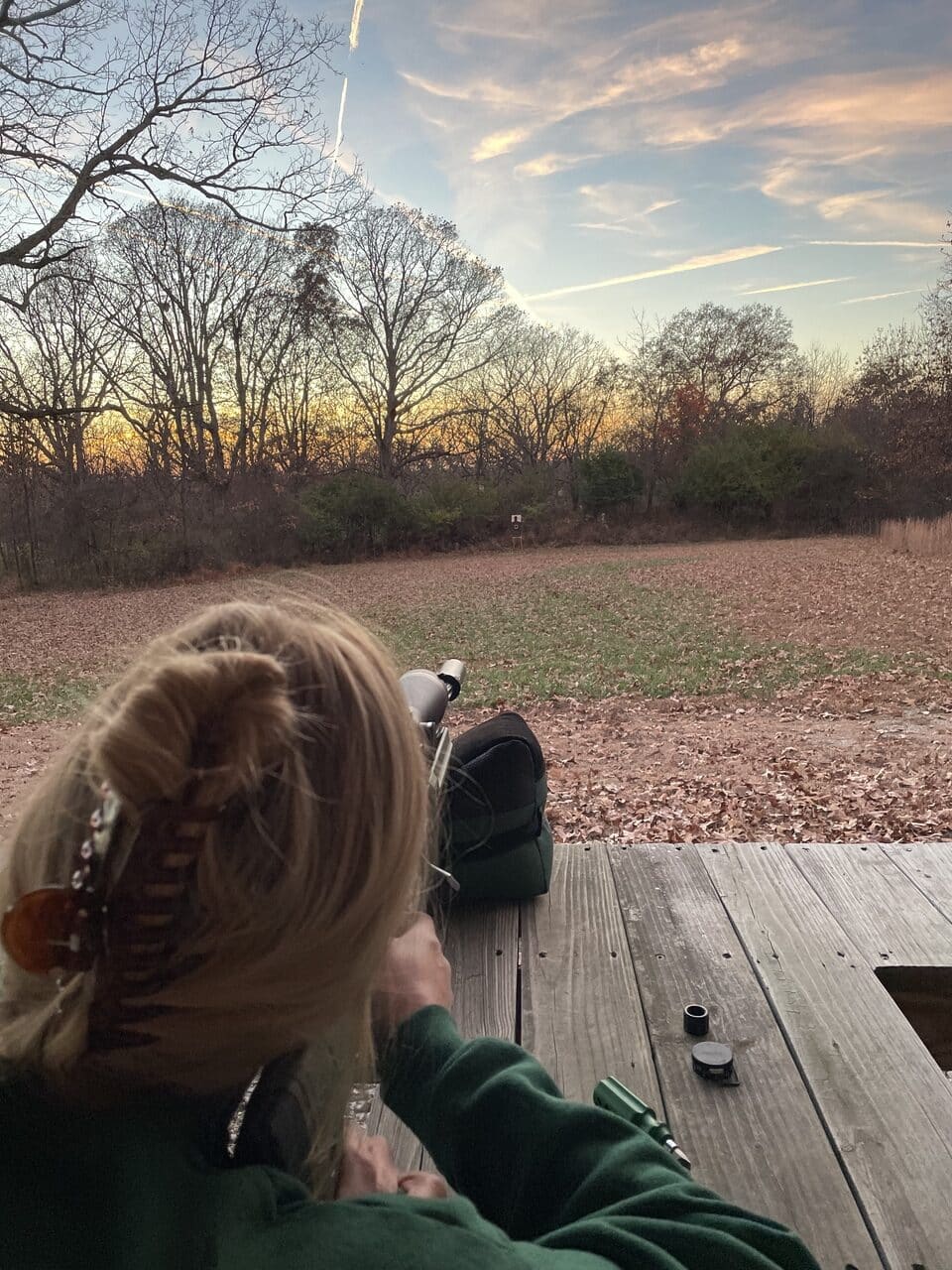
Torrie Roodhouse

Angie Perry
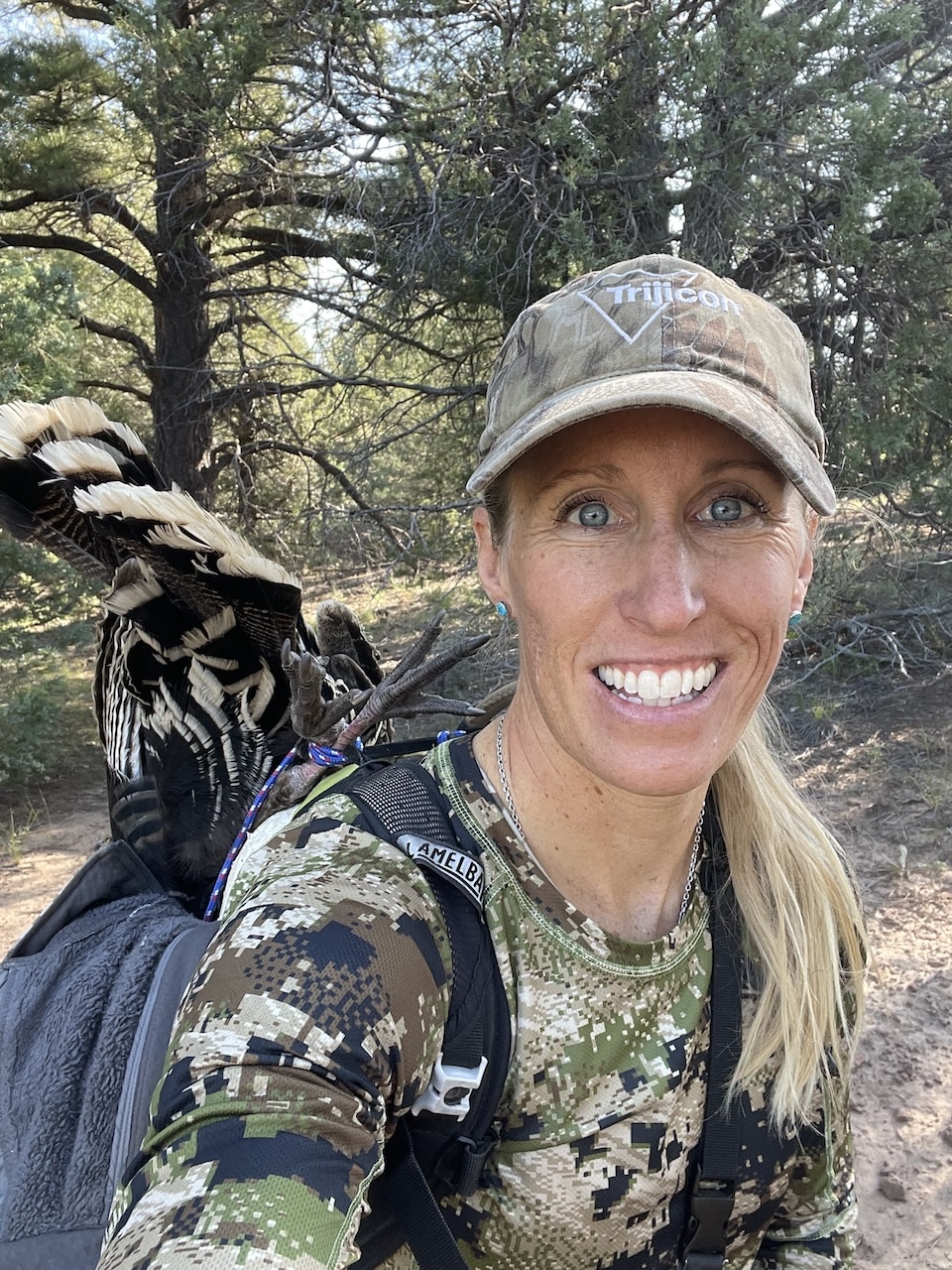
Lanny Barnes uses her training from her Olympic biathlon days to find success afield.
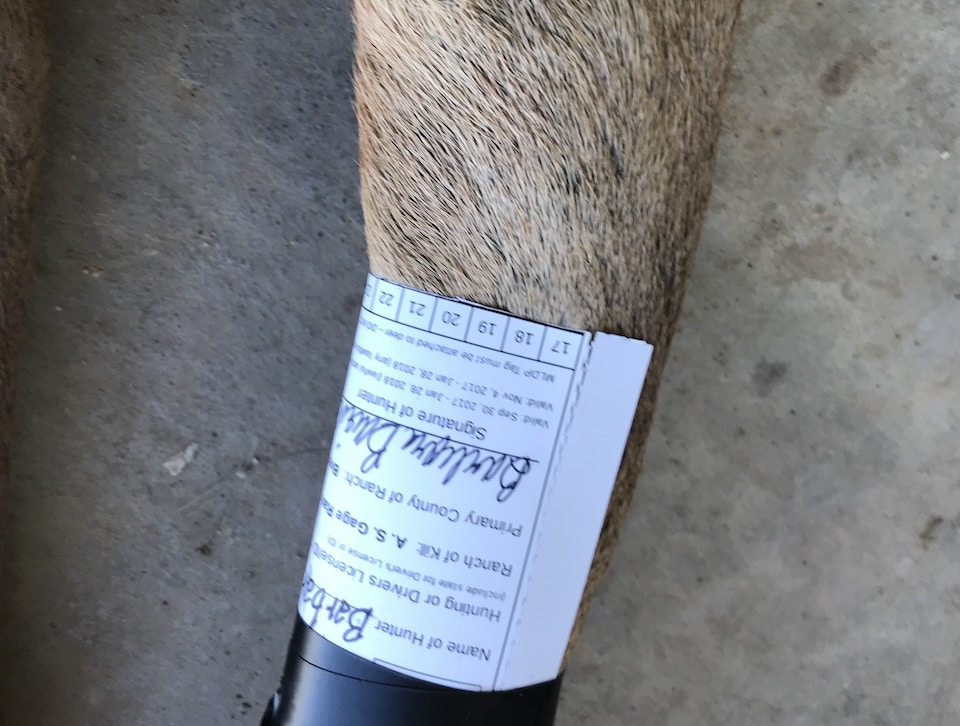

Emily Perreira
Source: 5 Things You Must Do to Hunt
Throughout the years, women have asked me how to get into hunting. I started at the ripe old age of 40, and so I have been hunting now for 27 years (and, I'm still learning every time I go out). Here are 5 things you must do to hunt. While four of the items are physical, one is mental. First of all, you must prepare yourself both physically and mentally to take the life of an animal. If you follow these rules, you'll be ready to hunt.
Find a Mentor
You will absolutely benefit from finding someone – male or female – whom you trust implicitly to teach you the ethics and methods of hunting. (For me, that person was my husband.) Although I understand the importance of women's organizations introducing women to hunting, I believe that a one-on-one experience – over time – is necessary to create the best hunter you can be.
Practice With Your Firearm or Bow
When you decide whether you're going to use a firearm (shotgun, pistol or rifle) or bow to hunt, you'll need to practice with it. First, trust someone to help you obtain (borrow or buy) a tool that fits your body. And then, find an instructor to teach you how to effectively use that tool. You want to be able to not have to think about how to load ammo or an arrow. You want to just do it, check to make sure it's safe and go from there. You want to ask your instructor for all the various positions you might have to use to get set up to shoot. Get ready to go prone or on a knee.
Familiarize Yourself With All Accessories
We're talking scopes, slings, whisker biscuits, magazines, quivers. You'll need to be so familiar with these things that it's almost second nature for you to adjust or insert. Find an instructor – it might be your mentor, or it might be in a class with an instructor who runs you through the drills again and again.
Visualize
Just like athletes do ... imagine what it might be like to look through a scope or down a barrel. You can find plenty of videos on YouTube that conceptualize this action for you. You're going to imagine reaching out and touching that animal at whatever distance, and the tool becomes an extension of your arm.
Know the Rules
Before going afield, you must check the regulations in your state. What are the limits and hunting hours? Can you use electronic devices? Can you use lights? You may be a beginner, but that status will never hold up as a defense if you break wildlife codes because of your ignorance.
The Other Things
Here's where a mentor or instructor will help you.
- What to wear
- What not to wear
- How to check in an animal after the hunt
- How to field dress an animal
- How to process an animal
- How to take respectful photos of your tagged animal
I highly recommend, if you can hunt as an apprentice and like it, that you go ahead and then complete a Hunter Education course online or in person. It will fortify some of the things you've been taught and introduce you to new things you probably hadn't thought about. No two hunters do things the same way, it seems. Also, it’s required after an apprenticeship in hunting, if you intend to continue hunting.
Finally, accept that you might not want to pull a trigger or draw a bowstring back, and that's OK. You've tested yourself, and you've found that it's not the time and it's not for you.
Or, you might find, as I did, that you're genetically wired to hunt and your life will change forever.
Source: 5 Things You Must Do to Hunt