
 Wall Of Fame
 Members Blogs
 Games
Games
 Top Rated Posts
 Recent Topics
 Live Scanners
 Pop Up Radio
 Disaster Map
 Gear Reviews
 Economy Watch
 Survival Apps
 NOAA Radio
 Distressed Communities
 Live Radar
 Weather Station
 Ask The 8Ball
 Recipes Roll
 Meal Planner
 Debt Clock
 TV/Movie Lovers
 ZDAY Quiz
 Chess Game
 The Bible
 Religions Map
 View Calendar
 KY Events Wall
Recent posts
Ask Mrs. Zombie
Recent posts
#41
TriState Area Local News / OH News - St. Edward meets ano...
Last post by Admin - Dec 02, 2025, 12:09 AMSt. Edward meets another Olentangy school in state semis
St. Edward meets another Olentangy school in state semis, as the Eagles face undefeated Olentangy Orange on Friday.
Source: St. Edward meets another Olentangy school in state semis
St. Edward meets another Olentangy school in state semis, as the Eagles face undefeated Olentangy Orange on Friday.
Source: St. Edward meets another Olentangy school in state semis
#42
TriState Area Local News / KY News - Robotic shoulder sur...
Last post by Admin - Dec 02, 2025, 12:09 AMRobotic shoulder surgery offers new hope for pain relief
Norton Orthopedic Institute is one of the few places in the world offering patients this new surgical technology.
Source: Robotic shoulder surgery offers new hope for pain relief
Norton Orthopedic Institute is one of the few places in the world offering patients this new surgical technology.
Source: Robotic shoulder surgery offers new hope for pain relief
#43
Prepping/Survival/Local Type News / SurvivalLife’s Ultimate Guide ...
Last post by Booed Off Stage - Dec 01, 2025, 07:51 PMSurvivalLife's Ultimate Guide to Becoming a Prepper-Survivalist


Source: SurvivalLife's Ultimate Guide to Becoming a Prepper-Survivalist
Modern systems are efficient but fragile. The grid can send power across entire regions, but a single damaged transformer can shut down a city for days. Supply chains move food quickly, but a simple transport delay or labor strike can leave shelves bare overnight. What will keep the household together if the systems fail is personal readiness? That's what this prepper-survivalist guide is all about.
Preppers and survivalists see those weak points and prepare for the moment they fail. A prepper focuses on stability and aims to build reliable stores or backup systems that’ll keep daily life running during an emergency. In contrast, a survivalist focuses on adaptability by developing the mindset and skills to operate without external systems. Both groups share a single goal: to thrive and survive if the support systems collapse.
This guide brings together everything both preppers and survivalists need to stay ready if the grid fails. Learn how to organize essential supplies, train for real-world emergencies, build a secure shelter, and more. Each section contains proven methods to help you stay self-sustaining during any disruption.
Table of Contents
1. Prepper Supplies 101
1.1. Top 5 Best Prepper and Survivalist Gear of 2025
1.2. Beginner Prepper Gear Checklist
2. Prepper Food Storage
2.1. Basic Prepper Food List by Category
2.2. Quick Rule
2.3. How Much Food per Person per Year
3. Prepper Medical Supplies
3.1. Core First Aid Kit for Preppers
3.2. Must-Have OTC Medications
4. Prepper Weapons & Laws Explained
4.1. Legal Home-Defense Basics for Preppers
5. Survivalist Training 101
5.1. Essential Skills to Start Safely at Home
5.2. Military Survival Techniques
5.3. Survival Priorities: Shelter, Water, Fire
5.4. Basic Land Navigation for Beginners
6. Navy SEAL Survival Approach Explained
6.1. SEAL Survival Mindset Basics
7. Green Beret Fieldcraft Explained
7.1. Grey Man Basics for Everyday Use
8. Bunker and Shelter 101
8.1. Bomb vs. Fallout Shelters
8.2. Underground Bunkers
8.3. Home Safe Rooms
9. FAQs
Prepper Supplies 101: Building a Reliable Emergency Reserve
Every survival plan starts with one question: "What do I actually need to stay alive when the system fails?" For beginners, prepping isn't about bunkers or doomsday fantasies but having the peace of mind that comes from knowing you’re ready for emergencies. When selecting prepper gear, make sure it covers the basic survival pillars such as water, food, shelter, power, and security.
Fortunately, modern tools are now lighter and more modular than ever. Solar power banks can now fit in your pocket, and tactical packs integrate first-aid, filtration, and shelter systems into one grab-ready kit. Whether you're building your first 72-hour go bag or upgrading your bug-out vehicle, the goal is to find a gear that works when nothing else does.
Top 5 Best Prepper and Survivalist Gear of 2025
Below are the top-rated, field-tested essentials dominating the 2025 survival scene. They're trusted by experts and designed for long-term resilience.
1. Grayl GeoPress Titanium Purifier Bottle
- What it is: All-in-one water filter and bottle using electroadsorptive purification tech.
- Advantage: Filters viruses, bacteria, and heavy metals in under 10 seconds.
- Caveat: Pricey upfront ($199), but replaces hundreds of disposable filters.
2. Jackery Explorer 1000 Plus Solar Generator Kit
- What it is: Compact solar generator for off-grid power.
- Advantage: Comes with power essentials such as fridge, CPAP, comms as well as solar input and modular battery expansion.
- Caveat: Heavy for bug-out use; better for home base or vehicle staging.
3. My Medic MyFAK Pro First Aid Kit (2025 Edition)
- What it is: A comprehensive trauma and medical kit designed for civilian responders.
- Advantage: Military-grade supplies, labeled compartments, and "Stop the Bleed" tools included.
- Caveat: Overkill for a glovebox, so it's best stored in bug-out bags or home stations.
4. Olight Warrior X 4 Tactical Flashlight
- What it is: Long-throw tactical light with magnetic charging and dual-stage tail switch.
- Advantage: 2,600 lumens, waterproof, impact-tested; excellent for defense or signaling.
- Caveat: High-intensity beam drains battery fast in turbo mode.
5. 5.11 Tactical RUSH72 2.0 Backpack
- What it is: 55L modular pack built for 72-hour operations.
- Advantage: Legendary durability, MOLLE webbing, hydration compatibility, and a hidden CCW pocket.
- Caveat: Heavier than newer ultralight packs; ideal for those who value structure over minimalism.
Beginner Prepper Gear Checklist
Getting started doesn't require a bunker or a $2,000 budget. Build a Tier 1 Starter Kit you can grab in 10 minutes then upgrade it over time.
| Category | Essential Items | Notes / Why It Matters |
| Water & Filtration | • Personal filter bottle (Grayl, LifeStraw, Sawyer Mini)• 2 gallons of stored water per person (rotate every 6 months)• Collapsible water bladder or 5-gallon jug• Water purification tablets (chlorine dioxide preferred) | Safe hydration is non-negotiable as it ensures you can drink from any source. |
| Food & Cooking | • 72-hour supply of shelf-stable meals (MREs, freeze-dried pouches)• Manual can opener + mess kit• Portable stove (butane or BioLite) + fuel• Energy bars & electrolyte packets | Focus on calories, simplicity, and shelf life. Avoid bulky canned goods for bug-out kits. |
| Shelter & Warmth | • Mylar bivvy or emergency sleeping bag• Compact tarp or survival tent• Firestarter kit (ferro rod + tinder cubes)• Weatherproof gloves + thermal layers | Staying warm and dry is survival priority #2 after water. Hypothermia kills faster than hunger. |
| Power & Communication | • Solar power bank (20,000 mAh min)• Hand-crank or solar radio w/ NOAA alerts• LED headlamp + spare batteries• USB-C/micro cables for critical devices | To keep comms and light operational when the grid drops. |
| First Aid & Hygiene | • First-aid kit (bandages, antiseptic, meds)• Prescription meds + ID copies• N95 masks, sanitizer, wipes• Hygiene items (toothbrush, feminine products, biodegradable soap) | Small injuries turn deadly fast without clean care. Proper hygiene can help boost morale and maintain health. |
| Tools & Security | • Fixed-blade survival knife (4–6″)• Multi-tool (Leatherman/Gerber)• 50 ft paracord + duct tape• Pepper spray or legal self-defense option | Multi-use gear that repairs, builds, and defends. Always check local laws. |
| Documents & Comfort | • Waterproof pouch (IDs, cash, insurance)• Spare glasses or contacts• Local maps + compass• Deck of cards or morale item | Morale and organization matter. Chaos is easier to face when you can think clearly. |
Prepper Food Storage
When disaster strikes, adequate food storage can give you a sense of control as it allows you to be self-sufficient for weeks or even months during an emergency. For preppers, food storage isn't panic buying but an insurance against shortages and system failures.
Basic Prepper Food List by Category
Here's a categorized food storage list that covers immediate needs and long-term sustainability. Think of this as your Tier 1–3 storage map.
| Category | Examples | Storage Life | Tips / Notes |
| Grains & Carbs | White rice, rolled oats, pasta, flour, quinoa | 5–30 years (sealed) | Mylar bags with oxygen absorbers help extend shelf life. Avoid brown rice for long-term storage due to its oil content. |
| Proteins | Canned tuna or chicken, beans, lentils, powdered eggs, peanut butter, jerky | 2–10 years | Don't skip these as flavor fatigue can lead to appetite loss. Spices make bland staples edible. |
| Fruits & Vegetables | Freeze-dried fruit and vegetable packs, canned corn or peas, dehydrated greens | 2–25 years | Freeze-dried foods retain the most nutrients and flavor. Canned goods are your affordable short-term option. |
| Dairy & Fats | Powdered milk, ghee, shelf-stable butter powder, shortening, olive oil | 1–10 years | Fats spoil first; rotate every 12–18 months and store in a cool area. |
| Comfort Foods | Coffee, chocolate, honey, hard candy, bouillon cubes | 2 years to indefinite | Morale foods support energy and reduce stress during extended emergencies. |
| Baking & Seasoning | Salt, sugar, yeast, baking powder, spices | 5 years to indefinite | Ideal for bug-out kits or the first 72 hours of a crisis. High in sodium, so use in rotation and not as a staple. |
| Emergency Ready-to-Eat | MREs, protein bars, freeze-dried meal pouches | 5–10 years | Instant food is ideal for bug-out kits or the first 72 hours of a crisis. High in sodium, so use in rotation and not as a staple. |
| Water & Beverages | Bottled water, electrolyte packets, tea bags | 1–2 years | Store at least 1 gallon per person per day; more if planning to cook dehydrated food. |
Quick Rule
Every prepper pantry should be built in phases:
- Pantry Ready (3–7 days): Everyday shelf-stable food such as soups, pasta, canned meat.
- Extended Reserve (30–90 days): Bulk staples, sealed grains, and freeze-dried kits.
- Sustainable Storage (6–12+ months): Long-term sealed items, garden produce, and an active rotation system.
How Much Food per Person per Year
The average adult needs 2,000–2,400 calories per day, depending on activity level and climate. Calories alone aren't enough, so balance them with protein (40–70g/day), healthy fats, and other essential micronutrients.
| Food Type | Recommended Amount (per adult/year) |
| Grains | 300–350 lbs (rice, oats, pasta, flour) |
| Legumes | 60–80 lbs (beans, lentils, peas) |
| Fats / Oils | 30–40 lbs (olive oil, shortening, ghee) |
| Sugar & Sweeteners | 60 lbs (sugar, honey, syrup) |
| Powdered Dairy / Milk | 20 lbs |
| Fruits & Vegetables (dried or freeze-dried) | 80–100 lbs |
| Meat (canned or freeze-dried) | 40–60 lbs |
| Salt | 8 lbs |
| Water | 365 gallons (1 gallon per day) |
Tip: Label and rotate all containers with Purchase Date and Use By Date. Store in a cool, dark, dry environment, ideally at 55–70°F. Use Mylar bags with oxygen absorbers and food-grade buckets for long-term staples.
Prepper Medical Supplies
Having the right prepper medical kit isn't optional for anyone serious about self-reliance. In many emergencies, clinics and pharmacies may be out of reach or shut down altogether. A reliable medical kit gives you the means to treat injuries and minor wounds until professional care becomes available again.
Start with a basic kit you can actually use and skip the oversized trauma bags filled with tools you've never trained with. Build capability step-by-step:
- A core first-aid kit suited to your home and vehicle.
- Add modules (trauma, dental, remote/internet-down scenarios) as you grow your supplies.
- Make sure training and practice accompany your kit. Having equipment without knowledge creates illusions of safety.
Core First Aid Kit for Preppers
Start with a robust, all-purpose first aid kit you can rely on at home and carry partially in your vehicle or bug-out bag. Here are some strong gear picks and how to integrate them:
- American Red Cross Deluxe Family First Aid Kit: A solid family-oriented kit with bandages, gauze, and antiseptic.
- First Aid Only 299‑PC Emergency First Aid Kit: Larger, more comprehensive kit that's useful for home or vehicle staging.
- SURVIVAL Compact First Aid Kit: Smaller form-factor that's ideal for grab-and-go or vehicle storage.
Quick notes:
- According to the American Red Cross, the core kit should cover: wound care (bandages, gauze, tape), antiseptics, gloves, scissors, and tweezers.
- Make sure you tailor it to your risks: terrain, climate, number of family members, and medical needs (allergies, prescriptions).
- Rotate supplies: check dates, replace used items, and ensure you know how to use contents.
Must-Have OTC Medications
Your medical strategy must include over-the-counter (OTC) medications to manage pain, inflammation, allergies, and minor infections if medical help isn’t available. Check expiration dates regularly and store only what's legal and familiar to you. Some core OTCs to stock:
- Pain & inflammation: e.g., acetaminophen (Tylenol), ibuprofen (Advil)
- Allergy/Antihistamine: e.g., diphenhydramine (Benadryl)
- Diarrhea/ gastrointestinal upset: e.g., loperamide (Imodium)
- Basic antibiotics or antiseptic creams (where legal)
- Electrolyte replacement powder or tablets
- Generic cold/flu relief (decongestant, throat lozenges)
Having these ensures you're not scrambling for the basics if the pharmacy becomes inaccessible.
Prepper Weapons & Laws Explained
Weapons play a major role in any solid preparedness plan. When emergency services are delayed, having lawful, reliable defensive tools and knowing how to use them gives you options when things turn unstable.
A weapons cache is a planned collection of defensive tools suited to your environment and skill level. It usually includes a home-defense firearm or non-lethal options like pepper spray, batons, or air rifles. Before you buy prepper weapons, familiarize yourself with your state's laws. Always confirm what's legal where you live, as those details can change fast.
Two legal ideas matter most for preppers:
- Castle Doctrine: Many states allow you to use reasonable force to defend yourself at home.
- Stand Your Ground / Duty to Retreat: Some states let you defend yourself without retreating, while others require you to try to withdraw first.
Knowing which rule your state follows helps you train and make smarter choices if you ever need to act.
Legal Home-Defense Basics for Preppers
Know your law.
Check state and local statutes on possession, storage, carry, and use of force. Federal rules set the floor, but local laws often add restrictions or reporting requirements.
Storage and access.
Keep firearms in locked containers or safes and store ammunition separately when required. The ATF recommends theft-resistant storage and limited access to trained adults.
Training and rules of engagement.
Get formal instruction in firearm safety and self-defense law. Skill and clear judgment reduce accidents and keep actions within legal limits.
Documentation and transfers.
Keep receipts, serial numbers, and licenses on file. Follow your state's background-check and transfer rules to avoid legal issues.
Avoid illegal modifications.
Do not alter firearms or magazines beyond legal specifications. Laws change often, so review updates through reliable official sources.
Survivalist Training 101: Master the Skills That Outlast Gear
Special Forces survival training teaches endurance, resource use, and calm problem-solving under pressure. It's designed for soldiers who must stay alive without supply chains or communication. For civilians, the key takeaway is the ability to think clearly and act efficiently when standard systems fail.
Courses like U.S. Army SERE or British SAS fieldcraft emphasize awareness and adaptability. You can apply the same principles by improving your physical conditioning and testing your gear in controlled conditions.
Essential Survivalist Skills to Start Safely at Home
Start with simple, low-risk skills that build confidence through active repetition and steady progress.
Navigation: Learn to read a map and compass accurately, then test yourself on short routes until you can navigate confidently without GPS.
Shelter: Practice setting up a tarp or a tent in different weather conditions. Pay attention to insulation and wind direction to stay warm and protected.
Firecraft: Focus on mastering one ignition method that works in your climate. Practice until you can start a steady flame even when you're tired or the conditions are wet.
Water: Identify nearby natural sources and practice safe purification through filtering or boiling. Clean water prevents more problems in the field than any other factor.
First Aid: Keep a compact kit and know how to clean, dress, and close minor wounds. Review supplies and refresh your training regularly.
Stress Management: Train your focus under pressure with controlled breathing or brief cold exposure. A calm mind keeps you functional when discomfort sets in.
Military Survival Techniques
Military survival training teaches explicit action under pressure. The goal is to stay functional when gear, support, or communication is gone. Soldiers learn to manage fear and focus on practical steps to survive in the field. For preppers, the lesson is that survival isn't just about endurance but also about order. When you follow a plan and handle tasks in the correct sequence, you conserve energy and reduce mistakes. The same approach works whether you're lost in the woods or sheltering at home during a disaster.
Survival Priorities: Shelter, Water, Fire
Military survival training follows a simple rule: handle the most immediate threat first. Exposure and temperature changes are the most immediate dangers, followed by a lack of clean water. Once those are under control, fire becomes the key to warmth and sanitation.
Shelter
Uncontrolled exposure leads to fatigue, confusion, and hypothermia. Build or find a cover that shields you from wind and moisture. Use available materials such as tarps, ponchos, or natural debris to stay dry and conserve heat. Once covered, assess your surroundings and plan your next steps.
Water
After establishing cover, find a dependable water source. Even mild dehydration reduces focus and endurance. Filter or boil before drinking, and always keep backup purification tablets or a compact filter in your pack.
Fire
The heat from a fire helps maintain body temperature and allows you to cook food or boil water for drinking. The flame's light can also deter animals and offer visibility. Practice ignition methods that match your environment so you can create flame under stress or poor weather.
Securing these three priorities prevents early breakdown and provides you with the stability to manage longer-term needs.
Basic Land Navigation for Beginners
Navigation is one of the most useful survival skills you can learn. GPS can fail, but a map and compass don't need power or signal to work. This guide walks you through the basics of navigation so you can safely reach your destination.
1. Get a topographic map of your area.
Choose a detailed topo map of a familiar region such as a nearby park or forest. Learn how to read contour lines, elevation markers, and map symbols. Tight contour lines indicate steep terrain, while wide spacing indicates flat or gradual terrain. Learn more: USGS Topographic Map Basics
2. Understand map scale.
Every map has a scale that converts paper distance to real distance. A common scale is 1:24,000 or one inch equals 2,000 feet. Knowing scale helps estimate walking time and fuel or water use. Learn more:
3. Carry a reliable baseplate compass.
Pick a simple baseplate compass with degree markings. Align its orienting arrow to true north on your map and keep it away from metal objects when reading it. Practice holding it level and taking a bearing on a visible landmark.
4. Set a bearing and follow it.
Draw a line from your position to your target on the map. Place the compass edge along that line, rotate the bezel until the orienting arrow matches the map's north lines, then hold the compass flat and turn your body until the magnetic needle lines up with the arrow. Walk toward a fixed landmark ahead instead of constantly watching the needle.
5. Track your movement.
Stop every now and then to confirm your location and count your paces between checkpoints to measure the distance traveled. This "pace count" method helps you know when to stop or change direction even without visual references.
6. Use terrain features.
Look for ridges, rivers, or clearings that appear both on the map and in front of you. Matching these visible features, called terrain association, keeps you oriented. When you can identify two features, mark your position between them for better accuracy.
7. Reorient if lost.
If the landscape no longer matches your map, stop moving. Find the nearest identifiable feature, recheck your compass bearing, and confirm north. Minor corrections prevent large detours.
8. Practice before you need it.
Use short hikes to test your accuracy. Track where you start, where you end, and compare it with your map route afterward. Consistent practice builds muscle memory and confidence when conditions are poor.
Navy SEAL Survival Approach Explained
Navy SEAL survival training is centered on staying calm and effective when conditions collapse. SEAL stands for Sea, Air, and Land, which are the three environments they are trained to survive and operate in. Their methods are designed to maintain control and make choices when pressure or confusion sets in.
For beginner preppers, this approach shifts the focus from gathering equipment to building consistent skills to help you function under stress. SEAL training emphasizes having a system you can rely on when instinct starts to fail. Adopting that same discipline enables you to act with clarity and avoid panic when it matters most.
Learn more: U.S. Navy SEAL Training Overview (Navy.mil)
SEAL Survival Mindset Basics
Navy SEAL training builds consistent decision-making under stress. Operators learn to stay functional in uncertain conditions through repetition and structured habits. This mindset relies on training that removes hesitation and reinforces quick response.
1. Regulate breathing to manage stress.
Controlled breathing helps stabilize focus when adrenaline spikes. SEAL instructors teach a slow four-count inhale and exhale to restore fine motor control and clear judgment. This technique is used before firing, navigating, or handling injuries.
2. Reassess before moving.
Acting without awareness leads to mistakes. SEALs pause to check their surroundings and identify cover before moving. Practicing this habit during drills or hikes trains the same caution and control.
3. Keep communication structured.
Teams use short, direct statements followed by confirmation to keep orders clear when noise or pressure makes long explanations unreliable. Groups that train together should practice the same rhythm to prevent confusion during real emergencies.
4. Maintain familiarity with tools.
SEALs train with their gear until handling it becomes automatic. They can find and operate equipment in the dark or under fatigue. Learning your kit in the same way reduces hesitation during poor conditions.
Green Beret Fieldcraft Explained
The U.S. Army Green Berets, formally the Special Forces, are not just survival experts; they're trained to live, fight, and teach in the world's harshest environments while supporting foreign allies. Unlike other military units that focus on direct combat, Green Berets specialize in unconventional warfare, which often means operating deep in remote areas with minimal backup.
For a civilian learning from this, the takeaway isn't to mimic the military but to apply the discipline and adaptability that Green Beret training demands. In the field, Green Beret fieldcraft is shaped by three core realities of their missions:
- They operate behind enemy lines. Green Berets often live among local populations for months, gathering intelligence or training guerrilla fighters. Fieldcraft here includes blending into cultures, building trust, and using local tools and food sources. It's survival through adaptation to both terrain and people.
- They prioritize mobility over gear. A Green Beret might carry 70–80 pounds through mountains or jungles, so every ounce must serve multiple functions.
- They integrate survival into mission planning. Before a Green Beret team moves, they calculate how long food and water will last and identify terrain that offers cover and concealment.
Grey Man Basics for Everyday Use
The "Grey Man" concept, taught in Green Beret training for covert or low-visibility missions, focuses on avoiding attention. It is about moving through public spaces without signaling that you are prepared, armed, or carrying valuable gear. The goal is not secrecy for its own sake but safety through normalcy.
In everyday life, Grey Man tactics mean:
Dress to disappear.
Choose neutral, everyday clothing that matches your environment. Avoid tactical brands or military patterns that suggest you are carrying gear. Blending with the crowd reduces unwanted attention during emergencies or crowded evacuations.
Move with awareness.
Grey Man movement means observing more than you reveal. Stay alert to exits and potential threats without showing tension or fear. Also maintain a relaxed posture and a measured pace to stay unnoticed.
Control information.
Avoid discussing your routes or plans outside trusted circles. Green Berets practice strict information security because careless talk can expose a mission. The same principle applies to civilians, so always remember that what you share online can compromise safety or invite theft.
Carry quiet capability.
Your everyday carry should look ordinary but still function when needed. Compact multitools and low-profile first-aid items serve you better than obvious tactical gear.
Bunker and Shelter 101: Building a Safe and Sustainable Sanctuary
Emergency shelters matter because exposure can disable you faster than hunger or thirst. Even in mild weather, a combination of wind and damp clothing can drop your body temperature below safe limits. A survival shelter is a protective structure built to keep you alive and functional if standard housing becomes unavailable. It also serves as a barrier against weather, temperature extremes, and other environmental hazards. People use retreat places during natural disasters and in wilderness situations where help may not arrive for several days. These sanctuaries provide a sense of safety and order, which helps you think clearly and conserve energy.
A solid survival shelter should:
- Keep you dry and insulated. Ground moisture and wind steal body heat fast, so elevate yourself and seal gaps that let in air or rain.
- Shield you from the sun and insects. Shade prevents dehydration and heat exhaustion, while a covered space keeps bugs from draining energy.
- Support your mindset. A defined, safe space reduces panic and helps you stay focused on your next steps.
Survival shelters come in three levels:
- Emergency Shelters: Made from quick materials such as tarps, ponchos, or reflective blankets. Emergency shelters are light to carry and quick to set up when you need cover for a single night.
- Semi-Permanent Shelters: Built from natural materials like branches, leaves, or snow. Examples include lean-tos and debris huts. Semi-permanent shelters may take more time to build but can protect you for several days.
- Permanent Shelters: Built for repeated or long-term use, such as log cabins, buried containers, or reinforced bunkers. Permanent shelters offer full protection and stability for homesteads or off-grid living.
Bomb vs. Fallout Shelters
When planning protection from explosions or nuclear events, it helps to understand that not all shelters are built for the same threat. Some are made to withstand direct impact and pressure, while others are designed to shield against lingering radiation that spreads afterward.
A bomb shelter is a reinforced underground space designed to protect people from the shock wave, debris, and heat produced by an explosion. Its main purpose is to provide cover from the initial blast and structural collapse above ground. In contrast, a fallout shelter protects from the radioactive dust and particles that settle after a nuclear event. Both types are used to keep occupants alive until it is safe to return above ground.
Depth and Materials
A bomb shelter's protection depends on how deep it is built, the strength of its materials, and the way its interior is arranged. Each element works together to absorb pressure, heat, and radiation from outside.
Depth
- 6 feet deep: This burial depth provides limited shielding against debris and light surface blasts. It is suitable for compact shelters or dual-use storm shelters.
- 8 feet deep: This depth provides better insulation against pressure and temperature changes.
- 10–12 feet deep: This range gives strong protection against radiation and overpressure. It requires reinforced walls and proper drainage to manage soil weight and moisture.
Materials
- Reinforced Concrete: This material spreads force evenly and blocks radiation, which makes it the most reliable choice for long-term durability.
- Corrugated Steel Pipe: The curved shape disperses blast pressure effectively when anchored and coated to prevent rust.
- Fiberglass Panels: Lightweight and corrosion-resistant, fiberglass panels are ideal for smaller or prefabricated shelters in stable soil.
Underground Bunkers
When people hear "underground bunker," they often picture Cold War vaults or high-security doomsday shelters. In reality, a modern underground bunker is simply a reinforced, below-ground safe space built to protect you and your family from natural disasters, civil unrest, or grid-down emergencies.
At its core, a bunker is designed to do three things:
- Shield against external threats such as tornadoes, fallout, or intruders.
- Provide breathable air, clean water, and power, even when the grid fails.
- Offer a discreet, secure refuge where you can live comfortably for days or weeks.
Basic Cost of Underground Bunkers
The cost of building an underground bunker depends on how deep you go and how self-reliant you want to be. A basic storm-rated shelter runs around $10,000–$25,000, while mid-range residential bunkers average $40,000–$80,000. Full-featured, multi-room installations that come with air filtration, solar power, and water reclamation can cost $150,000+ or more.
Here's a simple breakdown of what drives cost:
- Excavation & Reinforcement (30–40%) – Digging, grading, and shoring the soil.
- Structure (25–35%) – Concrete or steel shell, waterproofing, blast doors.
- Systems (20–30%) – HVAC, air filtration, dehumidifiers, power, plumbing.
- Finishes & Comfort (10–15%) – Flooring, lighting, sleeping areas, storage.
Pro Tip: If your main goal is disaster protection, start with a FEMA-rated storm shelter foundation and expand into a livable bunker later. That way, you stay code-compliant while testing your site for leaks, condensation, and soil pressure.
Home Safe Rooms
A safe room is a hardened space within a home designed to protect occupants during an emergency. It helps protect the family from injury during violent storms and provides cover from nearby blasts. Unlike underground shelters, a safe room stays above ground and connects directly to living areas for faster access. Most modern versions follow FEMA and ICC standards, which require the structure to remain intact under extreme wind speeds and heavy impact loads.
Typical Costs: Retrofit vs. New Build
Cost depends on whether the safe room is added later or built during construction.
- Retrofit: Upgrading an interior room or garage bay usually ranges from $6,000 to $12,000, depending on materials and labor.
- New Build: Adding one during construction costs around $4,000 to $8,000, since foundation and reinforcement work happen at the same time.
The Prepper-Survivalist Framework 2025: Moving from Theory to Action
We’ve covered a lot of ground in this guide, moving from the philosophical core of the prepper-survivalist mindset to the granular details of long-term sustainability. If you walk away with three major concepts, remember these as the foundation of your preparedness: supplies, training, and shelter.
First, your supply strategy must embrace high-tech redundancy. Ditch the bulky, old gear for lighter, integrated solutions like powerful solar chargers and advanced filtration bottles. Second, always prioritize mindset and skill. The lessons from SEAL and Green Beret training highlight the importance of emotional control and the S-W-F (Shelter, Water, Fire) priority sequence that ensures you can still function during a grid-down.
Finally, approach the shelter as a layered defense by ensuring you have not just a full bunker plan, but also immediate, accessible protection, such as a quick tarp or a reinforced safe room. The prepper-survivalist framework we’ve laid out isn’t driven by fear but built on a foundation of insurance against the unexpected.
FAQs
1) What is the difference between a prepper and survivalist?
A prepper focuses on home readiness through stored supplies and plans. Meanwhile, a survivalist focuses on staying functional outdoors through training and self-reliance.
2) How do I start prepping with a small budget?
Begin with essentials like water, food, light, and a first aid kit. Build slowly as you learn what fits your needs and location.
3) What should I include in a basic prepper medical kit?
Pack bandages, antiseptic wipes, medical tape, gloves, pain relievers, and any personal medications. Keep everything labeled and easy to reach.
Source: SurvivalLife's Ultimate Guide to Becoming a Prepper-Survivalist
#44
Entertainment News and Discussions / Man O War Harley-Davidson Cust...
Last post by Admin - Dec 01, 2025, 07:51 PMMan O War Harley-Davidson Customer Appreciation Night and Holiday Specials
Source: Man O War Harley-Davidson Customer Appreciation Night and Holiday Specials
Source: Man O War Harley-Davidson Customer Appreciation Night and Holiday Specials
#45
The Outdoors, Health and Fitness / Desert Solitude in Cooler Weat...
Last post by Admin - Dec 01, 2025, 04:46 PMDesert Solitude in Cooler Weather
Source: Desert Solitude in Cooler Weather
This article is sponsored and made possible by Toyota Trucks.
When the summer heat fades, the desert exhales. The sun softens, the air cools, and the sandstone glows with color again. For those who embrace unplanned adventures, or what we like to call Detourists, Toyota Trucks are more than transportation. They're your link to the wild. With legendary reliability and advanced off-road systems, Toyota Trucks make every mile of open desert yours to explore.
Organ Pipe Cactus National Monument, Arizona
Where saguaros stretch tall against an endless sky, Organ Pipe comes alive in the cooler months. The backroads that loop through Alamo Canyon and Puerto Blanco Drive wind deep into the Sonoran Desert, with miles of washboard and rock that demand both clearance and confidence.
That's where the Toyota 4Runner TRD Pro proves its worth. Multi-Terrain Select and Crawl Control manage traction while you stay focused on the view. The oversized TRD-tuned FOX® high-performance shocks with piggyback reservoirs on the rear shocks and TRD-tuned front springs to help carry you over unforgiving terrain. The i-FORCE MAX Hybrid EV Powertrain keeps the power steady across shifting sand. Out here, the road is yours, and with a Toyota 4Runner, every mile feels like it was meant to be driven.
Guadalupe Mountains National Park, Texas
Rising abruptly from the desert floor, the Guadalupes glow gold when the temperatures drop. McKittrick Canyon and the high trails above Dog Canyon turn quiet again, offering a kind of wilderness you can feel.
To reach the best views and the most secluded campsites, the Toyota Tacoma TRD Off-Road rises to the challenge. With available Multi-Terrain Select, electronically controlled locking rear differential, and high ground clearance, it's a truck that thrives when the pavement ends. The Toyota Tacoma's rugged frame and standard 4×4 capability let you haul your gear and still handle the switchbacks to Williams Ranch like a pro. Confidence in your truck means freedom to roam farther.
Petrified Forest National Park, Arizona
Most people think of Petrified Forest National Park as a quick stop, but when the temperatures drop, it becomes something else entirely. The Painted Desert stretches endlessly, layers of red and lavender glowing under the low autumn sun. The wind feels crisp, the trails beckon, and every turn reveals something ancient.
There is dispersed camping on nearby BLM lands, and with a Toyota Truck, those sandy access roads and uneven pullouts are a fun part of the journey. Skid plates, full-time 4×4 capability, and smart traction systems make setting up under a sky full of stars feel effortless. These trucks are built to go where the pavement ends.

Dispersed Camping Tips
Desert camping offers endless freedom, but also requires full preparation. You must be self-contained: bring your own water, toilet supplies, and pack your trash out. Avoid setting up within 100 feet of any water source, road, or trail, and always obey fire or burn bans. Follow safety precautions, store food properly, and ensure you practice the principles of Leave No Trace to protect these fragile places for the next adventurer to enjoy.
Leave No Trace
Maintaining the beauty of the desert starts with how you treat it. Plan ahead so you know what to expect and where you're allowed to camp. Pack out all trash and waste, and resist the urge to take anything with you but memories. Give wildlife the distance they deserve, and remember that solitude is something to share quietly. Out here, leaving no trace isn't just a rule, it’s a promise to the land that gives you that special kind of peace.
Be a Detourist
When the crowds chase snow and the desert cools, true adventurers know where to go. Toyota Trucks are for those who value quiet over comfort zones, and who understand that getting there is half the fun. Toyota Trucks are built for the freedom to take the long way.
This season, the desert is calling. Be a Detourist, and see where Toyota Trucks can take you.
The post Desert Solitude in Cooler Weather appeared first on The Dyrt.
Source: Desert Solitude in Cooler Weather
#46
The Gear Rack / Utah Father Charged With Child...
Last post by Admin - Dec 01, 2025, 04:46 PMUtah Father Charged With Child Torture After Winter Hike Turns Dangerous

Wasatch Mountain Range Broads Fork Twin Peaks Trail; (photo/Shutterstock)
Source: Utah Father Charged With Child Torture After Winter Hike Turns Dangerous

A Utah father is facing six first-degree felony charges after a hike in Big Cottonwood Canyon left his three children in critical condition. Authorities released a detailed timeline that identifies weather exposure, delayed retreat, and medical emergencies among the primary factors in the case.
The Hike
In early October, Micah Zephan Smith began the Broads Fork Trail hike with his children, ages 8, 4, and 2. The trail is a steep and strenuous route in Big Cottonwood Canyon that gains more than 2,000 feet in under 3 miles and is rated hard on most hiking platforms due to its sustained climb and rocky upper sections. Early winter conditions further increase the difficulty, with snow, ice, and low visibility creating hazards for hikers, especially in exposed terrain.
The family started late in the morning. Court records identify a steady drop in temperature and increasing precipitation during the ascent.
Family members urged Smith to turn around through text messages earlier in the day. The messages referenced incoming weather and concerns for the children's safety.
Deteriorating Conditions
Precipitation increased as the family climbed. Snow and freezing rain formed on the upper trail. Visibility decreased. A rapid shift in the weather created hazardous footing.
During the descent, the 2-year-old fell and lost consciousness, and the 4-year-old displayed signs of severe hypothermia. Smith sheltered the children under a rock outcrop when daylight diminished.
Search and Rescue
The family's failure to return triggered an overnight search and rescue operation involving multiple agencies. Weather limited the use of helicopters and slowed ground response.
At sunrise, teams found Smith walking alone on the trail. The children were located soon after and airlifted for medical care.
Medical Findings
The 4-year-old arrived without a pulse and required CPR, intubation, and emergency surgery after suffering a stroke. The 2-year-old was also unconscious and severely hypothermic. The 8-year-old was treated for exposure.
Digital Evidence
Investigators recovered video from Smith's phone that documented the family's position and the worsening weather. Messages on the device showed repeated warnings about the storm.
Current Charges
Smith is charged with three counts of child torture and three counts of aggravated child abuse. All six charges are classified as first-degree felonies. He remains in custody without bail while the case proceeds.
Source: Utah Father Charged With Child Torture After Winter Hike Turns Dangerous
#47
The Outdoors, Health and Fitness / Winchester Deadly Passion: Sun...
Last post by Admin - Dec 01, 2025, 04:46 PMWinchester Deadly Passion: Sundays on Sportsman Channel
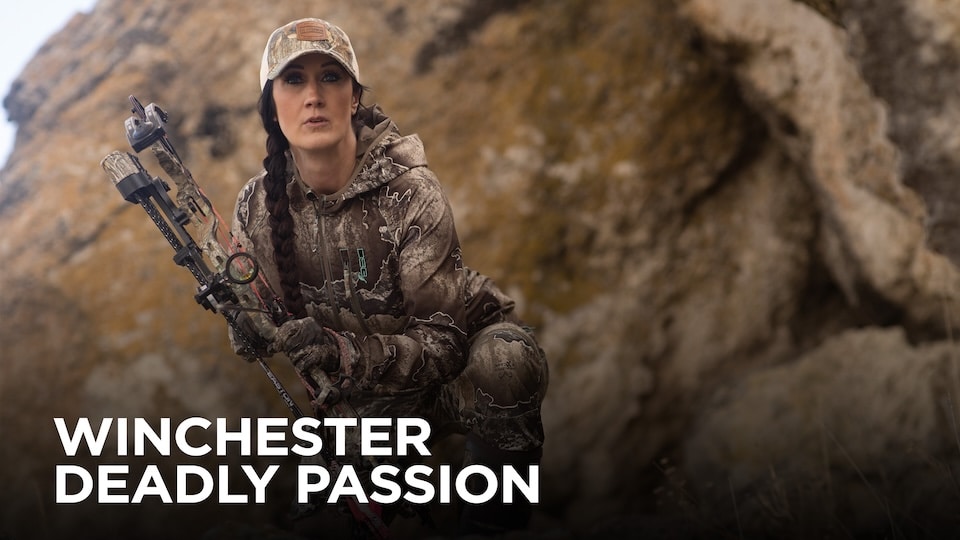
Source: Winchester Deadly Passion: Sundays on Sportsman Channel
Winchester Deadly Passion, the globally celebrated outdoor series hosted by accomplished hunter Melissa Bachman, continues with season 14 every Sunday at 11:30 am ET on Sportsman Channel.
Join Bachman and her family as she takes viewers on adrenaline-pumping journeys that span the globe, showcasing her unmatched passion for hunting and the great outdoors. Whether it's stalking thunderous bull elk in the mountains, harvesting trophy red stag, or embarking on hunts for exotic game like Ibex in Spain, Winchester Deadly Passion offers a front-row seat to educational adventures.
Bachman's decades of experience and unique storytelling make the series more than just a showcase of big game and scenic landscapes. She inspires and educates with expert tips that hunters of all levels can apply in the field. Known for her fast-paced, immersive hunting style, she brings authenticity, excitement, and skill to every episode.
Filmed year-round, the series highlights Bachman's mastery with rifle, bow, and shotgun, capturing the raw challenges and triumphs of hunting pursuits. From turkey hunts to confronting thousand-pound gators, no adventure is too ambitious. Still, the show doesn't lose sight of its foundation – sharing the thrill of the hunt, promoting conservation, and connecting with those who also enjoy her love for the outdoors.
Tune into Winchester Deadly Passion on Sportsman Channel every Sunday at 11:30 am ET. Catch up on past seasons of Winchester Deadly Passion on MyOutdoorTV, Outdoor Sportsman Group's number one streaming service. MOTV is available to subscribers on ALL DEVICES, from a big-screen TV at home to a phone in a bass boat or a tree stand in the woods. For more information about MyOutdoorTV, visit MyOutdoorTV.com.
About Outdoor Channel: Outdoor Channel has been taking viewers across America and around the world on unparalleled adventures since 1994. Dedicated to the outdoor lifestyle and conservation, the independent cable network is a division of Outdoor Sportsman Group and provides a complete spectrum of riveting hunting, fishing, shooting and adventure entertainment. Outdoor Channel is the largest outdoor TV footprint in the country and is available in more than 50 countries internationally. Outdoor Channel can be viewed in HD and is accessible by broadband and mobile platforms. For program times and other information, visit www.outdoorchannel.com. Follow us on Twitter, Instagram, Facebook and YouTube.
Source: Winchester Deadly Passion: Sundays on Sportsman Channel
#48
The Outdoors, Health and Fitness / Jim Wendler’s 5/3/1 Training P...
Last post by Admin - Dec 01, 2025, 04:46 PMJim Wendler's 5/3/1 Training Program: Complete Guide to the Proven Strength Training System

PixelPerfectionist77/Adobe stock
Source: Jim Wendler's 5/3/1 Training Program: Complete Guide to the Proven Strength Training System
Many seek complexity regarding strength training programming—new movements, exotic percentages, and "advanced" systems that require a spreadsheet to decode. Jim Wendler dismissed that. After years under the bar as a Division I football player, elite powerlifter, and coach, he created 5/3/1, a program based on simplicity, patience, and long-term gains.
The 5/3/1 system emphasizes doing less but doing it better. It centers on four main lifts, and each workout follows a progression of submaximal percentages, gradually increasing intensity while allowing enough recovery to come back stronger. Here, with the help of Jason Leenaarts, owner of Revolution Fitness And Therapy and a coach who's been running the 5/3/1 system since 2010, we'll break it all down for your benefit.
The 5/3/1 Training Program Origins
After competing as an elite powerlifter with a best total of over 2,000 pounds, Wendler realized that many lifters—himself included—were getting lost in details. Too much focus on max lifts and not enough steady progress.
His solution was to cut the fluff. In 2009, Wendler published his now-iconic 5/3/1: The Simplest and Most Effective Training System for Raw Strength on T-Nation, and the lifting world took notice. The system centered around four barbell lifts—the squat, bench press, deadlift, and overhead press—performed in a structured, four-week cycle with defined loading waves. By using 95% of their actual one-rep max, lifters could make steady progress without overtraining.
5/3/1 isn't for those chasing short-term PRs — it's for the lifter who wants to get strong for life.
5/3/1 Training Program Core Principles
Each 5/3/1 training cycle lasts four weeks. The first three weeks progressively increase intensity using Wendler's signature rep scheme—Week 1: 5s, Week 2: 3s, and Week 3: 5/3/1. The fourth week is a deload, allowing your body to recover before going again.
Each workout includes one "plus" set, where you push as many clean reps as possible without getting to absolute failure. What makes 5/3/1 different from other systems is Wendler's use of the Training Max (TM)—you calculate all your percentages based on 95% of your actual one-rep max. Leenaarts explains that he uses the 5/3/1 variation, which isn't as aggressive but still true to its principles.
"RevFit uses a variation where we would work between 65-95% of a one rep max during the first three weeks of a 4-week cycle. The fourth week is a deload, which kept the weight at 40-60% of the one rep max," explains Leenaarts.
This conservative approach ensures you're training intelligently, not recklessly. Over time, you add just five pounds to upper-body lifts and 10 pounds to lower-body lifts each new cycle. You'll customize the assistance work—whether you're aiming for size, athletic performance, or improved fitness. But the core principles remain the same: show up, do your main lift, push your plus set, and finish up.
Who Should Use the 5/3/1 Training Program?
Jim Wendler's 5/3/1 helps lifters who prioritize steady, measurable progress. The lifters who succeed with this program share a few common traits: discipline, patience, and a commitment to long-term strength.
- Lifters Ready for Consistency: If you've completed programs like Starting Strength or StrongLifts, 5/3/1, it is the next logical step, explains Leenaarts. " It does help to have a client who has experience putting reps in on the big lifts. I wouldn't use 5/3/1 for a beginner," says Leenaarts.
- Busy lifters and professionals: 5/3/1's structure makes it perfect for those balancing work, family, and training. With 3–4 focused workouts a week that take around an hour, you can gain strength without turning the clock against you.
- Athletes and Older Lifters: 5/3/1 is all about submaximal loads and gradual progress. You're building strength without grinding to failure every session. That makes it an excellent fit for athletes in-season or older lifters who want to stay strong, minus the grind.
- Who It's Not For: If you need constant variety in your workouts or live for the "no pain, no gain" approach, 5/3/1 may feel too slow or repetitive. It's not designed for hypertrophy or for those still learning the barbell lifts.
5/3/1 Pros and Cons
There is no such thing as the perfect program; weigh the pros and cons to decide if it's right for you.
Leenaarts is a fan of the 5/3/1 for several reasons. "I will say that I still use it for some of my seasoned lifters who are stuck and not hitting PRs. It's a simple way to get them hitting their lifts without the mental stress of feeling like they have to go for the big number each time," explains Leenaarts. This fact makes the 5/3/1 the ultimate plateau buster.
Top 3 Benefits of 5/3/1
- Sustainable Strength Progression: By working off 95% of your actual max, you build strength gradually while avoiding overtraining. Research supports this conservative approach, showing that submaximal training at 70–85% 1RM builds strength without the recovery cost of max-effort lifting.
- Simple, Repeatable, and Time-Efficient: There's no guesswork, and the 5/3/1 structure makes it ideal for lifters with busy schedules or limited training time—a main reason why 5/3/1 has stayed popular in gyms around the world for over a decade. Adaptable to Any Goal: From Boring But Big hypertrophy work to Triumvirate athletic templates, Wendler built flexibility into the system. Whether you're chasing size, power, or general fitness, the 5/3/1 skeleton adapts without losing its purpose.
- Encourages Patience and Discipline: The slow-loading progress reinforces Wendler's mantra: start light, progress gradually, and never miss reps. It's rare for a program to teach lifters to play the long game.
Worst 3 Cons of the 5/3/1
- Slow Progress: For lifters accustomed to weekly PRs or more intense programs, 5/3/1 can feel like watching paint dry. Results come over months—not weeks. This progress can frustrate the "results now" lifter who thrives on novelty or high volume.
- Mindset Fatigue: The four-lift focus can become monotonous. You'll perform the same main lifts every week, which can mentally wear down those who enjoy variety. If you're easily bored or travel a lot for work or have zero or no recovery routine, it's best to steer clear of this program.
- Strength Over Size Bias: While some 5/3/1 accessory templates can support hypertrophy, 5/3/1 is a strength program. If your goal is hypertrophy, you'll need to adjust volume or add accessory work to add size.
REVFIT's 5/3/1 Strength Training Workout Program
Leenaarts lent his time and talents to a four-week program to get you started on getting strong.
Programming Notes:
The one rep maxes listed below are examples, so you can see how the loading percentages work.
- There is no overhead press, and if you're a fan of it, you can substitute in the OH press for the bench press or add another day with accessory lifts such as Unilateral landmine press, lateral raises, and unilateral dumbbell row variation.
- If you haven't hit your one-rep max in a while or have never tested it, be conservative. The goal here is stimulation, not annihilation.
- Rest 3 minutes between sets of your big lifts and rest 2 minutes at the end of each accessory triset. Happy lifting.
Week 1
Workout 1
1. Squat: 3 sets, 5 reps (using 65%/ 75%/ 85% of 1 rep max—for 315 1RM, 205/235/270 pounds )
2A. Lying Leg Curl: 3 sets, 8 reps
2B. Reverse Lunge: 3 sets, 6-8 reps (each side)
2C. Hanging Knee Tuck: 3 sets of 10-15 reps
Workout 2
1. Bench Press: 3 sets, 5 reps (using 65%/ 75%/ 85% of 1 rep max—for 225 1RM, 145/170/190 pounds)
2A. Incline Dumbbell Bench Press: 3 sets, 8 reps
2B. Seated Row: 3 sets, 12 reps
2C. Triceps Pressdown: 3 sets, 12 reps
Workout 3
1. Deadlift: 3 sets, 5 reps (using 65%/ 75%/ 85% of 1 rep max—for 345 1RM, 225/260/295 pounds)
2A. Leg Press: 3 sets, 8 reps
2B. Walking Lunge: 3 sets, 8-10 reps (each side)
2C. Ab rollout: 3 sets, 5 reps
Week 2
Workout 1
1. Squat: 3 sets, 3 reps (using 70%/ 80%/ 90% of 1 rep max—for 315 1RM, 220/250/285 pounds)
2A. Lying Leg Curl: 3 sets, 8 reps
2B. Reverse Lunge: 3 sets, 6-8 reps (each side)
2C. Hanging Knee Tuck: 3 sets, 10 -15 reps
Workout 2
1. Bench Press: 3 sets, 3 reps (using 70%/80%/90% of 1 rep max—for 225 1RM, 160/180/205 pounds)
2A. Incline Dumbbell Bench Press: 3 sets, 8 reps
2B. Seated Row: 3 sets, 12 reps
2C. Triceps Pressdown: 3 sets, 12 reps
Workout 3
1. Deadlift: (using 70%/80%/90% of 1 rep max—for 345 1RM, 240/275/310 pounds)
2A. Leg Press: 3 sets, 8 reps
2B. Walking Lunge: 3 sets, 8-10 reps (each side)
2C. Ab Rollout: 3 sets, 5 reps
Week 3
Workout 1
1. Squat: 3 sets, 5, 3, 1 reps (using 75%/85%/93% of 1 rep max—for 315 1RM, 235/265/295 pounds)
2A. Lying Leg Curl: 3 sets, 8 reps
2B. Reverse Lunge: 3 sets, (6-8 reps each side)
2C. Hanging Knee Tuck: 3 sets, 10-15 reps
Workout 2
1. Bench Press: 3 sets, 3 reps (using 75%/85%/91% of 1 rep max—for 225 1RM, 160/180/205 pounds)
2A. Incline Dumbbell Bench Press: 3 sets, 8 reps
2B. Seated Row: 3 sets, 12 reps
2C. Triceps Pressdown: 3 sets, 12 reps
Workout 3
1. Deadlift: 3 sets, 5, 3, 1 reps (using 75%/85%/95% of 1 rep max—for 345 1RM, 260/295/330 pounds)
2A. Leg Press: 3 sets, 8 reps
2B. Walking Lunge: 3 sets, 8-10 reps (per side)
2C. Ab Rollouts: 3 sets, 5 reps
Week 4
Workout 1
1. Squat: 3 sets 5 reps (using 40%/50%/ 60% 1 of 1 rep max—for 325 1RM, 125/160/190 pounds)
2A. Lying Leg Curl: 3 sets, 8 reps
2B. Reverse Lunge: 3 sets, 6-8 reps (per side)
2C. Hanging Knee Tuck: 3 sets, 10-15 reps
Workout 2
1. Bench Press: 3 sets, 5 reps (using 40%/50%/ 60% of 1 rep max—for 225 1RM, 90/115/135 pounds)
2A. Incline Dumbbell Bench Press: 3 sets, 8 reps
2B. Seated Row: 3 sets, 12 reps
2C. Triceps Pressdown: 3 sets, 12 reps
Workout 3
1. Deadlift: 3 sets, 5 reps (using 40%/50%/ 60% of 1 rep max—for 345 1RM, 140/175/210 pounds)
2A. Leg Press: 3 sets, 8 reps
2B. Walking Lunge: 3 sets, 8-10 reps (per side)
2C. Ab rollout: 3 sets, 5 reps
5/3/1 Wrap Up
Jim Wendler's 5/3/1 program earned its reputation the same way strength is built—slowly, steadily, and without hype. 5/3/1 simplifies strength training to what matters most: the four main lifts, smart percentages, and small, repeatable wins. It's a system that fits real life. You can run it three or four days a week. You can add bodybuilding volume (Boring But Big), athletic accessories (Triumvirate), or bodyweight exercises if you train at home.
Is it flashy? No. Will it blow your mind in a week? Not a chance. But if you want strength that keeps growing month after month, 5/3/1 delivers.
Source: Jim Wendler's 5/3/1 Training Program: Complete Guide to the Proven Strength Training System
#49
The Outdoors, Health and Fitness / Why Tracking Could Still Help ...
Last post by Admin - Dec 01, 2025, 04:46 PMWhy Tracking Could Still Help on GLP-1s—Even When You're Not Hungry

Source: Why Tracking Could Still Help on GLP-1s—Even When You're Not Hungry
Feeling less hungry on GLP-1 medications may make tracking feel difficult. When portions shrink, cravings quiet down, and the scale moves without much effort, it's easy to assume you have it covered.
The catch is that lower appetite can also mean missed protein, too little fiber, not enough fluids, and fewer vitamins and minerals (1). A quick log can help show what you ate and what might be missing, so you can make small, doable tweaks that match your appetite (1). The aim is not to eat more but to eat enough of key nutrients in portions that fit how you feel now.
You Still Need Enough Protein To Protect Lean Mass
Mornings might start with coffee and good intentions, but the eggs never happen. Lunch becomes a few forkfuls of salad. Dinner is half a burrito before you feel done. On paper it sounds like a light day; in your diary you see it adds up to surprisingly little protein.
Seeing that number brings awareness to where else you could add another serving of protein to your diet to reach your nutrient goals (11): enjoy a cup of Greek yogurt when you brew the coffee, fold cottage cheese into a fruit bowl, blend a quick smoothie with skim milk or tofu, or keep a simple tuna or bean salad in the fridge. When you spread protein across meals and snacks, you can help support lean mass without forcing large portions that may lead to uncomfortable side effects (2)(1).
"Even when total calories come down, protein should stay a priority to help preserve lean mass as you lose weight (1). I also recommend incorporating strength training exercises to preserve lean mass (1) and consider syncing your fitness wearable with MyFitnessPal to track your food and activity all in one place," says Melissa Jaeger, registered dietitian and Head of Nutrition for MyFitnessPal.
Helpful inside MyFitnessPal: Aim to stay within a range for protein intake. Or set a protein goal recommended by your healthcare team as your appetite shifts. Watch your macro totals after each meal and adjust your next meal and snack to prioritize protein as needed.
Tracking May Help You Avoid Under-Fueling
Lower appetite can quietly push calories down day after day (1). You feel pleasantly full on less food, but you might also notice feelings of fatigue along with other side effects (1). A week of food logs could help you identify a potential pattern: your daily calorie average is below the goals you set.
Experts recommend that adults don't fall below a certain number of calories per day because, if they do, it's tough to meet your basic nutrient needs. The National Institutes of Health recommends at least 1,200 calories a day for women and 1,500 for men ( ).
"Seeing your actual daily calories could help you stay mindful of your nutrient intake, which in turn may help avoid under-eating. You can also tailor your meals and snacks in portions that help you reach your nutrient goals and support you while you manage common side effects on a GLP-1," says Jaeger. With that reality check, you can plan smaller, more frequent meals and snacks that still feel comfortable, like half a turkey wrap at lunch and a yogurt bowl later (1).
Helpful inside MyFitnessPal: On the go? The Barcode Scan function makes quick work of logging packaged favorites. Looking for more detail? Head to the "More" menu and select "Nutrition." From there toggle to your daily calories view to confirm you are on track for your goals.
Hydration Matters More Than You Think
If you're on a GLP-1 medication you may notice you're less thirsty (4)(5)(6). You might sail through the day on coffee and a few sips of water, then realize it is nearly dinner. A simple water log could help you keep track of your hydration.
If plain water sounds unappealing, rotate in unsweetened tea or infuse your water with fresh fruit and herbs. Pair every fiber-containing snack with a glass of fluid (7).
Helpful inside MyFitnessPal: Use Voice Logging to quickly add a glass of water to your meal or snack or anytime throughout the day!
Fiber Is Key For Regularity And Overall Diet Quality
When your appetite shrinks, you may find that high fiber foods like vegetables, beans, and whole grains are the first things to fall off the plate. Logging your fiber-rich foods in MyFitnessPal can help you spot opportunities to add fiber to your daily routine.
"Logging could help you see which foods deliver fiber in the portions that fit into your current goals," says Jaeger.
Add a scoop of beans to a small salad. Start your day off with overnight oats, or keep chia pudding ready for an easy breakfast. Increase your fiber gradually and pair fiber with fluids to help avoid side effects associated with increasing your fiber intake too quickly (1)(7).
Helpful inside MyFitnessPal: Under the "More" menu, select "Nutrition" and tap on "Fiber" under the daily "Nutrients" tab to check your daily fiber total.
Tracking Portion Sizes Can Show What Works For You
Plates that once felt normal may now feel like too much (1). Recording what you actually finish can help you see what portion sizes suit you now.
"Your food log reveals your current eating habits so you spot where you can make adjustments to build sustainable habits. Plus, it may help you identify your personal sweet spot for portion sizes, so you can plan meals and snacks that help you hit your nutrition goals without missing out on key nutrients or eating more than your body can tolerate (12)(1)," says Jaeger.
Maybe half a sandwich with a side of edamame leaves you comfortable and helps you hit your protein goals. Maybe smaller meals and snacks beat three larger meals (1).
Helpful inside MyFitnessPal: Use Meal Scan to quickly log meals and snacks and edit portions as needed when adding to your diary, without spending time searching the database for individual ingredients.
Micronutrients Still Count
Eating less overall may mean you're eating fewer vitamins and minerals if you are not intentional with incorporating a variety of foods into your diet (1). Check out the "More" menu, select "Nutrition" and toggle to the "Nutrients" tab. This feature can help you spot trends in vitamins and minerals you might otherwise miss. If calcium looks low, try small servings of dairy or fortified alternatives (8). If iron dips, rotate in beans, lentils, tofu, or lean protein (9). If potassium is lagging, add a banana with Greek yogurt, roasted potatoes, or beans with greens (10). The goal is not bigger portions; it is smarter choices that deliver more nutrition per bite.
"Lower appetite does not have to mean lower nutrient density. Tracking can show you which foods you're currently eating contain key nutrients in the portions you're logging 11," says Jaeger.
Helpful inside MyFitnessPal: the nutrients tab helps you spot any gaps in real time so you can plan one or two targeted swaps for your next meal or snack.
Frequently Asked Questions: Why Tracking Could Still Help on GLP-1s
Do I still need to track if I am not hungry?
GLP-1s can lower appetite, but tracking can help you keep an eye on protein, fiber, hydration, and micronutrients while also being mindful of your calorie intake (1).
What should I focus on if logging everything feels like a lot right now?
Start small and work your way up to logging all meals and snacks. Consider starting with the basics: protein, water, total calories. Once that feels easy, add a quick check on key nutrients like fiber, vitamins, and minerals and keep noting your portion sizes.
Is it okay to eat smaller meals more often?
Many people find smaller, more frequent meals easier when appetite changes (1). Tracking what you're eating, including portion sizes, can help enable you to confirm that this pattern still meets your calorie, protein, water, fiber, and micronutrient goals.
Do I need to track forever?
Not necessarily. Many people use tracking more intensively at the start, then shift to spot-checking when routines feel automatic. The goal is to build habits that support your health long term.
The Bottom Line
Tracking is not about perfection. It's about helping you to see what you're eating today and how those foods impact your nutrient goals, especially when your appetite is lower on a GLP-1 (1). Consume protein at meals and snacks so you support lean mass (2) and log see how your protein intake adds up each day. Keep an eye on total calories so you are not under-fueling (1). Pair fiber with fluids and choose foods that deliver more vitamins and minerals per bite (7)(1). Use your diary to learn your new portion sweet spots, then plan meals that fit. Consider these changes to begin building simple habits to better support your health journey.
The post Why Tracking Could Still Help on GLP-1s—Even When You're Not Hungry appeared first on MyFitnessPal Blog.
Source: Why Tracking Could Still Help on GLP-1s—Even When You're Not Hungry
#50
Hunting, Fishing & Trapping / Doe Decoys
Last post by Booed Off Stage - Dec 01, 2025, 04:46 PMDoe Decoys
Source: Doe Decoys
It is early November, and bucks are actively searching for receptive does. Now is the perfect time to set up a doe decoy. I have primarily hunted in Northwest Pennsylvania my entire life. While I’ve also hunted in Illinois, Kentucky, Ohio, and New York, I spend most of my time pursuing bucks in Pennsylvania. Initially, I never thought a doe decoy would be effective in Pennsylvania, so I never used one. That changed in 2021 when I decided to purchase a doe decoy and give it a try during the rut. Here is what happened…

Boudica the Doe Decoy
My mother-in-law always gets me Cabela’s gift cards for Christmas, and I usually save them to buy something special. During the summer of 2021, Smokey McNicholas, the owner of Smokey’s Deer Lures, called to discuss a new gland lure he was developing. He asked me if I had ever used a doe decoy, and I told him I hadn’t. I expressed my skepticism, mentioning that I didn’t think a doe decoy would work in Northwest Pennsylvania. Smokey encouraged me to get a doe decoy, suggesting I could test his new gland lure during that archery season. I agreed to purchase a decoy to assist him with his testing.
I researched online to find the best decoy and ended up choosing the Boss Babe from Flambeau. Once the decoy arrived, I assembled it and hoped that the combination of the decoy and gland lure would be effective. I decided to name my decoy Boudica, after one of my favorite historical female figures. I wanted this decoy to be both deceptive and tough!

Surprising Success
Smokey sent me his new gland lure, Interdigital Plus, which is a blend of doe interdigital scent and a small percentage of estrus. The idea is to make bucks think that a doe is entering estrus. On Friday, November 5th, I took a day off from school and headed to the woods early with Boudica, the decoy, and the gland lure. I set up Boudica between two active scrapes and applied the Interdigital Plus to cotton balls placed in her feet. After setting up the decoy, I walked back to the main trail and put the gland lure on my boots. Next, I walked directly to Boudica to create a scent trail, hoping a buck would come to investigate. I climbed into my stand and waited.
At around 9:30 a.m., I spotted antlers emerging from the thicket to my right. I pulled out my grunt tube and made a few low grunts. Suddenly, the buck burst out of the thicket and saw Boudica, my decoy. I quickly grabbed my Darton bow and waited to see how things would unfold. The buck made his way to the main trail, picked up the scent from the gland lure, and walked directly towards Boudica. Just before he could reach his target, I released a Black Eagle Rampage arrow, hitting him perfectly in the boiler room. The buck ran about 40 yards before collapsing. I couldn’t believe what had just happened! I was really impressed that the decoy and gland lure had worked so effectively.
Karma
During the summer of 2023, I began observing a beautiful 8-point buck that frequently visited my property. I hoped he would stay throughout the archery season, especially since he loved coming into my food plot. The week leading up to Halloween, I started receiving daylight videos of the buck, which I named Karma. He was coming to the food plot almost every morning, scent-checking for does. I knew it was the right time to get Boudica out and put her to work.
On the morning of October 24th, I took Boudica to my food plot and positioned her near my treestand. Once again, I used Smokey’s Interdigital Plus gland lure to make her smell irresistible. Around 9 a.m., I heard a deer walking behind my stand. I turned around to see if it was a buck and spotted Karma walking down the main trail towards the plot. The buck approached Boudica and presented me with a 20-yard shot. The shot was accurate, and I heard the buck fall shortly after the Black Eagle Arrow did its job.
Boudica at Work
During the first week of November 2024, I took Boudica with me to a farm where I hunt. Earlier that week, I had set up a new stand on top of a ridge where bucks tend to roam. I hoped Boudica would attract either Houdini or the Krazy 8 to come and visit her. Several bucks came to check her out, but one young buck clearly fell head over heels for Boudica. He attempted to mount her multiple times and even knocked her head off. That didn't deter him; he kept trying to breed her. I couldn't help but laugh as I watched the young buck struggle. I gave him an A for effort!

Krazy 8
Krazy 8 was my #2 target buck for 2024. On the morning of November 9th, I had Boudica set up, smelling great and ready for action. The conditions were perfect for bucks to be on their feet, searching for hot does. After a rattling sequence, I saw Krazy 8 emerge from the draw and head toward Boudica. The wind was blowing directly from Boudica toward him, and the buck stood motionless for about ten minutes, scent-checking the air. Krazy 8 liked what he saw and loved what he smelled. He stopped thirty-five yards away in an opening, allowing me to take a perfect shot at him.
I firmly believe in the effectiveness of decoys, based on my success. When November arrives and I have a buck tag in my pocket, I depend on Boudica to help me attract a buck. She has never let me down. I'm excited to take Boudica out this weekend in Ohio, as I believe she will bring me good luck!
Source: Doe Decoys